What Not to Put Down Your Drains (And Why It Matters)
Your home’s plumbing is like an unsung hero, working hard in the background. But it can only handle so much. Throwing the wrong stuff down your drains can lead to pesky clogs, nasty smells, and pricey fixes that could be avoided with some simple changes. Let’s dive into what you should avoid putting down your drains and why. And if you ever find yourself dealing with stubborn clogs, our drain cleaning services are here to help before things get out of hand.
Proper disposal has never been more crucial. The Environmental Protection Agency warns against fats, oils, and grease (FOG). Even a little can harden in pipes, causing sewer overflows. For more on keeping your drains safe, check out the EPA’s guidance on sewer overflow prevention. Often, the first hint of a problem is a slow drain, but issues usually start much earlier.
Why Drain Disposal Habits Matter So Much
Small mistakes create big plumbing problems.
Many think a bit of grease, a few food scraps, or a "flushable" wipe won't hurt. But these small choices add up, creating sticky build-up that traps hair and soap, leading to clogs. When a clog forms, pressure builds inside pipes, risking leaks or even pipe failure.
Improper disposal affects more than your home.
Bad habits don’t just affect your kitchen or bathroom. They stress local sewer systems, increase neighborhood backup risks, and cause environmental issues when wastewater overflows. Cities often remind residents about proper disposal. The City of Madison’s drain safety page is a handy reference.
The Worst Things to Put Down Your Drains
Fats, oils, and grease
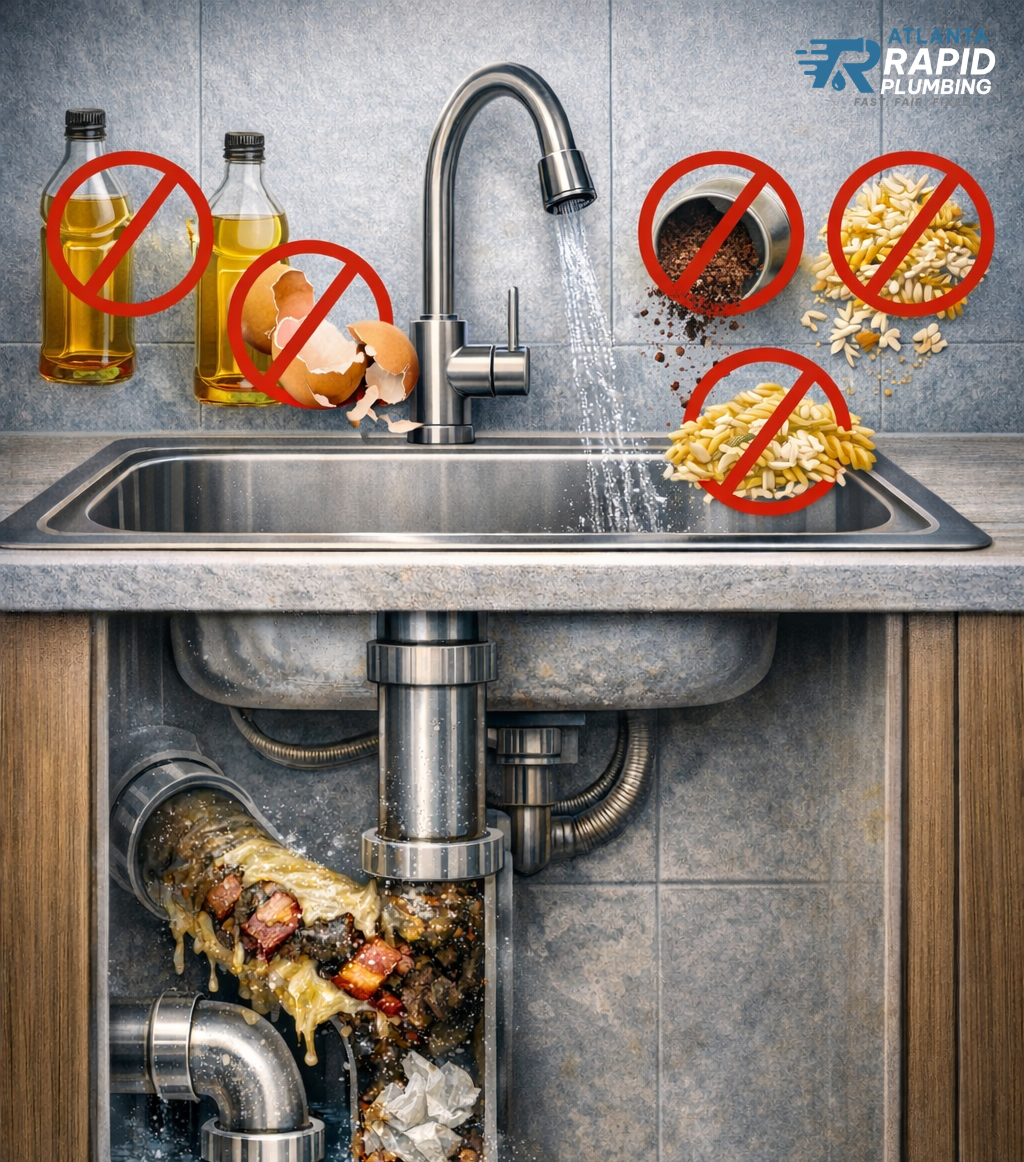
Cooking grease is a top culprit behind clogs. It looks harmless when hot, but it solidifies in pipes, trapping other waste. This narrows the pipe, slowing water flow. Instead of rinsing grease away, let it cool, scrape it into a container, and toss it in the trash. If kitchen build-up is a regular issue, our drain cleaning services can help clear things up.
Flushable wipes and sanitary products
Despite what the label says, flushable wipes don’t break down like toilet paper. Research from the Water Research Foundation shows many wipes stay intact long after flushing, causing sewer troubles. The same goes for sanitary pads, tampons, cotton swabs, and paper towels. Remember, toilets are for the “3 P’s” only: pee, poo, and toilet paper.
Coffee grounds, eggshells, and starchy food scraps
Some food waste seems harmless, but it can be a headache for plumbing. Coffee grounds clump, eggshells catch debris, and starchy scraps like pasta and rice swell with water, forming a dense paste. If disposal habits have caused issues, a plumber can assess if you need cleaning or pipe repair.
What the Experts Say About Toilet and Kitchen Disposal
The “3 P’s” rule for toilets
Plumbers often repeat a simple rule: only flush pee, poo, and paper. This is the easiest way to avoid clogs and sewer backups. Toilet paper is designed to dissolve in water, unlike other paper products. This difference is vital, especially in older systems.
Why kitchen sinks need extra caution
Kitchen sinks handle grease, food, soap, and more. Even with a garbage disposal, not everything can go down. Disposals break food into smaller pieces, but can’t make grease disappear or prevent dense items from clogging pipes. If your sink drains slowly, the problem might be deeper in the line. For emergencies, our emergency plumbing services are ready when clogs escalate.
Scientific support for better habits
Public utilities and researchers have long noted the costs of poor disposal. Blockages in sewer systems lead to maintenance costs that communities must bear. New York City has faced wipe-related blockages, highlighting how household habits can become citywide problems. Treat drains as a limited-use system, not a trash can.
Real-World Examples of Drain Damage
San Francisco’s grease challenge
San Francisco tackled sewer overflow issues linked to fats, oils, and grease. The city's public education campaigns showed that the problem was widespread, affecting the entire network. Households working together to keep grease out of drains can improve system performance and keep costs down.
New York City and flushable wipes
New York City has dealt with costly blockages from wipes marketed as flushable, which don’t break down fast enough in pipes. They often combine with grease to form clogs. This shows why you should not rely on product labels instead of plumbing best practices. When in doubt, throw it out.
What homeowners can learn from these cases?
These examples show that drain problems usually build up over time. The good news is that prevention is possible. A few changes in how you dispose of grease, wipes, and food waste can dramatically lower the risk of plumbing trouble.
Safe Disposal Tips That Protect Your Plumbing
Let the grease cool before throwing it away.
Cool and solidify cooking oil and grease, then scrape or pour it into a container for the trash. Never wash it away with hot water or soap, as it just moves the grease deeper into pipes. A grease jar under the sink can help make this habit easy.
Use a sink strainer and empty it regularly.
A sink strainer catches food scraps before they enter the drain. This small tool prevents particles from combining with grease and soap in pipes. Make it a habit to empty the strainer into the trash after washing dishes. If you have recurring issues, our fixture installation team can suggest drain-friendly upgrades.
Keep bathroom trash bins within reach.
People often flush wipes and hygiene products for convenience. A small lidded bin in each bathroom makes it easier to dispose of non-flushables properly. This simple change can reduce clogs and service calls.
How to Spot a Developing Drain Problem Early
Slow drainage is the first warning sign.
If water lingers in a sink, tub, or shower longer than usual, it often signals buildup in the line. Many ignore this because the drain still works, but early intervention is easier and cheaper than waiting for a full blockage.
Gurgling sounds and odors matter.
Odd gurgling noises, bubbles, or sewer-like odors can indicate trapped air or partial blockages. Don't overlook these symptoms, especially if they repeat. If they appear after flushing wipes or disposing of grease, material may be sticking inside the line.
Backups require immediate action.
When wastewater backs up through a sink, tub, or toilet, the problem has already escalated. Avoid using the fixture until a professional inspects the line. Continued use might force more water into an already blocked system. Our pipe repair and replacement service can identify and fix the issue.
Local Plumbing Awareness for Mableton Homeowners
Why local habits matter
Homeowners in Mableton, Georgia, benefit by following local disposal guidance, as plumbing systems are affected by household behavior and regional infrastructure demands. The Cobb County Water System provides resources to help residents protect their plumbing and reduce sewer strain.
Climate and aging infrastructure play a role.
Georgia homes face plumbing wear from seasonal changes, shifting soil, and older pipes. Combined with poor disposal habits, blockages develop quickly. That’s why preventative maintenance is vital. A healthy plumbing system depends on careful use and timely service.
Professional help makes a difference.
Working with an experienced plumber gives you more than a quick fix. You get a practical assessment of what caused the issue and how to prevent it. At Atlanta Rapid Plumbers, Chris Kwangwari has over 20 years of experience and works directly with customers to make service calls clear and stress-free. Learn more about our plumbing services in Mableton, GA.
What to Do If You Already Put Something Bad Down the Drain
Stop using the fixture immediately.
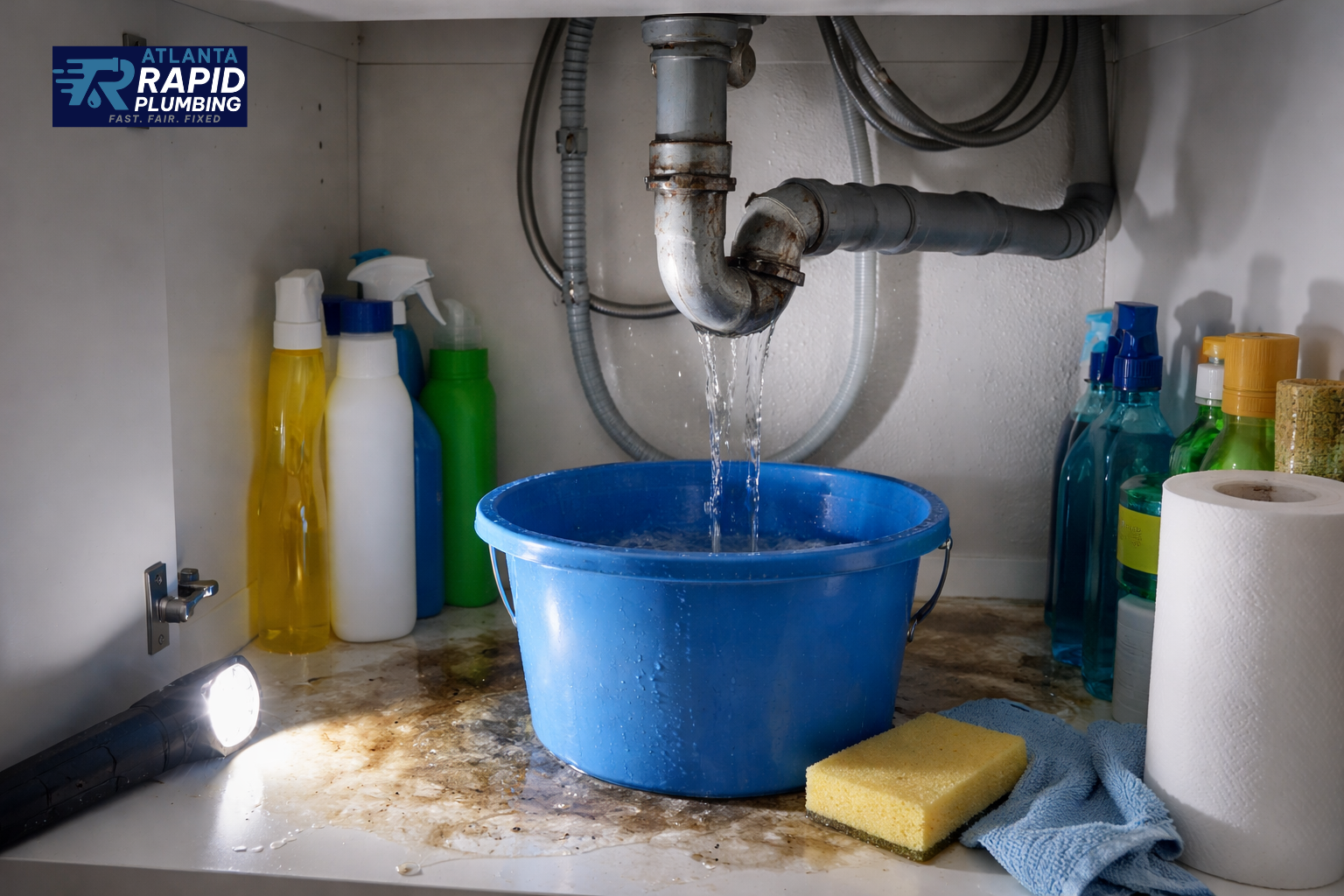
If you accidentally pour grease or flush wipes down the drain, stop using the fixture immediately. Continued water flow can push the obstruction deeper, making it harder to remove. Acting quickly might avoid further damage.
Watch for symptoms over the next few hours.
Pay attention to drainage speed, unusual sounds, odors, and whether other fixtures act strangely. One clogged drain can signal a larger issue. If multiple fixtures slow down, the problem might be farther down the line.
Call a professional before DIY makes it worse.
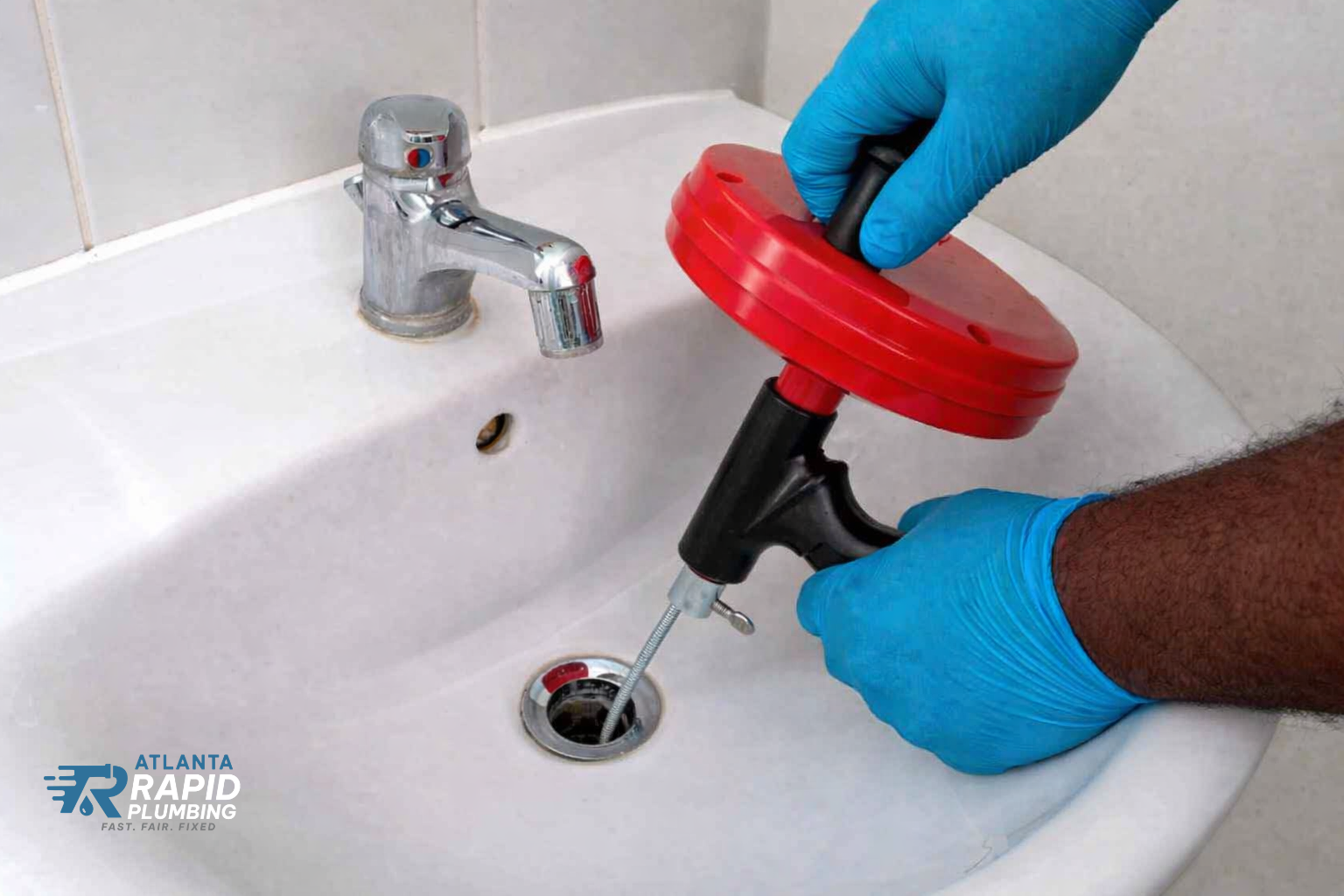
It’s tempting to use chemical drain cleaners or aggressive DIY methods, but these can damage pipes. Safer methods include basic observation, stopping fixture use, and calling a plumber for inspection. If the clog is severe, our drain cleaning services can safely remove buildup.
Frequently Asked Questions About Drain Safety
Can I pour cooking oil down the drain if I dilute it with water?
No. Diluting oil with water doesn’t stop it from solidifying in your pipes. Even small amounts can cling to pipe walls and create problems later. Cool it, contain it, and throw it away.
Are flushable wipes really safe for plumbing?
No. Even if labeled flushable, wipes don’t break down fast enough for plumbing or sewer systems. Many remain intact, contributing to clogs. Toss them in the trash instead.
What foods should never go down the drain?
Avoid coffee grounds, eggshells, pasta, rice, potato peels, fibrous vegetables, and greasy leftovers. These items can clump, swell, or stick to pipe walls. A sink strainer and proper trash disposal help prevent trouble.
When should I call a plumber?
Call a plumber if clogs keep returning, multiple drains slow down, you smell sewer gas, or you see wastewater backing up. These are signs that the blockage may be deeper than a surface clog. Quick action can prevent bigger repairs.
Simple Prevention Habits That Save Money
Create a family-friendly drain rule.
Households work best when everyone follows the same rules. Teach family members and guests what can and cannot go down sinks and toilets. Clear habits help prevent accidental damage.
Schedule maintenance before emergencies happen
Many plumbing issues are easier and cheaper to prevent than fix. Regular inspections and cleaning can catch buildup early. Preventive maintenance is a smart investment for your home’s safety. If your drains have a history of slowing down, pair maintenance with emergency plumbing services for peace of mind.
Think eco-friendly, not just convenient.
Proper drain disposal is good for plumbing and the environment. Keeping grease, wipes, and food waste out of drains reduces sewer overflows and helps systems run efficiently. Less waste means fewer repairs and a healthier community. Responsible disposal is a small habit with a big payoff.
Protect Your Plumbing by Changing What Goes Down the Drain
Better habits start today.
What you put down your drains today can affect your plumbing long-term. Keeping grease, wipes, food scraps, and hygiene products out of pipes reduces clog risks and protects your home from damage. These habits are easy to start and maintain once they become routine.
Know when to call in help.
If you have slow drains, backups, or odors, don’t wait until it’s an emergency. Professional help can identify the source and prevent damage from spreading. For reliable support, Atlanta Rapid Plumbers are ready to help.
Ready to protect your home’s plumbing? Start by checking your drain habits, replacing bad disposal routines with safer ones, and scheduling service if you notice early warning signs. For expert help from a trusted team, contact Atlanta Rapid Plumbers at (770)-404-6895 or explore our drain cleaning solutions and related services.