Why Your Water Pressure Drops and How to Fix It
Ever had one of those days when your shower feels like a drizzle instead of a downpour? It's annoying, right? That's low water pressure messing with your routine. While it can feel like a big problem, most of the time, it's due to a few usual suspects that you can often fix with some simple steps.
In this guide, we'll break down why your water pressure might be dropping, show you some practical solutions you can try at home, and help you figure out when it's time to call in a pro. Plus, if you’re dealing with more than just low pressure, check out our guide to common plumbing problems, which could give you a bigger picture of what's going on. And, for those urgent plumbing issues, our emergency plumbing services are just a call away.
We'll also touch on things like hard water, pressure regulators, pipe corrosion, and how water conservation trends can affect your plumbing. According to the EPA, keeping your residential water pressure between 40 and 60 PSI is recommended for optimal performance. Plus, the U.S. Geological Survey notes that about 85% of U.S. water is hard enough to cause mineral buildup over time. You can learn more about these standards from the EPA.
What Low Water Pressure Actually Means
Pressure versus Flow
Don't confuse low water pressure with low water flow; they're not quite the same. Pressure is the force pushing water through your pipes, while flow is the amount of water coming out. If your faucet is trickling, it could be a clogged aerator or a wider issue with your system's pressure.
Knowing the difference helps when troubleshooting. If just one fixture is acting up, it might be a localized issue. But if multiple fixtures are weak, you could be looking at a main line problem, a faulty pressure regulator, or a leak.
Normal Household Pressure Ranges
Your home will typically work best with water pressure between 40 and 60 PSI. Too low, and everyday tasks become a hassle. Too high, and you risk damaging pipes and appliances. Keeping an eye on this range can save you from headaches later.
If you're into smart home gadgets, pressure sensors and leak detectors can offer real-time alerts. This kind of tech is gaining popularity as a way to stay on top of plumbing maintenance. Thinking of going high-tech? Check out our smart plumbing solutions guide for more ideas.
The Most Common Causes of a Water Pressure Drop
Mineral Buildup and Hard Water
Mineral buildup is a top culprit for reduced water pressure. Hard water full of calcium and magnesium can clog up aerators, showerheads, and pipes. If you live in a hard water area, this might be your issue.
Try cleaning your showerheads and faucet aerators first. If that boosts pressure, the problem is likely localized. If not, it could be deeper, and you might need a professional look or even consider a water softener.
Leaking Pipes and Hidden Water Loss
Leaks can sneakily reduce water pressure by letting water escape before it gets to your tap. Some leaks are obvious, but others hide behind walls or under floors. Even small leaks can cause noticeable drops in pressure.
Watch out for damp spots, an increase in your water bill, musty smells, or the sound of water running when nothing's on. If you think you leak, especially in a hard-to-reach spot, getting a pro to diagnose it is a safe bet. Our pipe repair and replacement services can help you out.
Corroded or Aging Pipes
Older homes often have pipes that corrode over time, reducing their diameter and lowering water pressure. This is typical in homes without major plumbing updates in years.
If you live in Mableton, Georgia, and your home is a bit older, you might see pressure issues more often due to aging pipes, whereas newer homes might deal with fixture or regulator issues. If it's been a while since your last plumbing check, it might be time to inspect those pipes.
Pressure Regulator Problems
Many homes use a pressure regulator to keep water pressure at a safe level. If this device malfunctions, it can cause sudden changes in pressure throughout your home. This can happen after municipal service adjustments or repairs.
A study noted a 15% increase in low-pressure complaints after city upgrades, traced back to poorly adjusted pressure regulators. This can show how sometimes the problem isn't inside your home, it's a system-level issue.
Clogs in Fixtures, Lines, or Main Supply
Clogs are another common issue. Debris can build up in aerators or showerheads, and sediment can settle in water heater connections or older supply lines. While clogs in drains don't directly cause low pressure, they can affect overall water movement.
For clogs in fixtures, a good cleaning might do the trick. But for serious blockages, you might need professional help. If you also have slow drains, our drain cleaning services could be part of the solution.
How to Diagnose the Problem Step by Step
Start with One Fixture
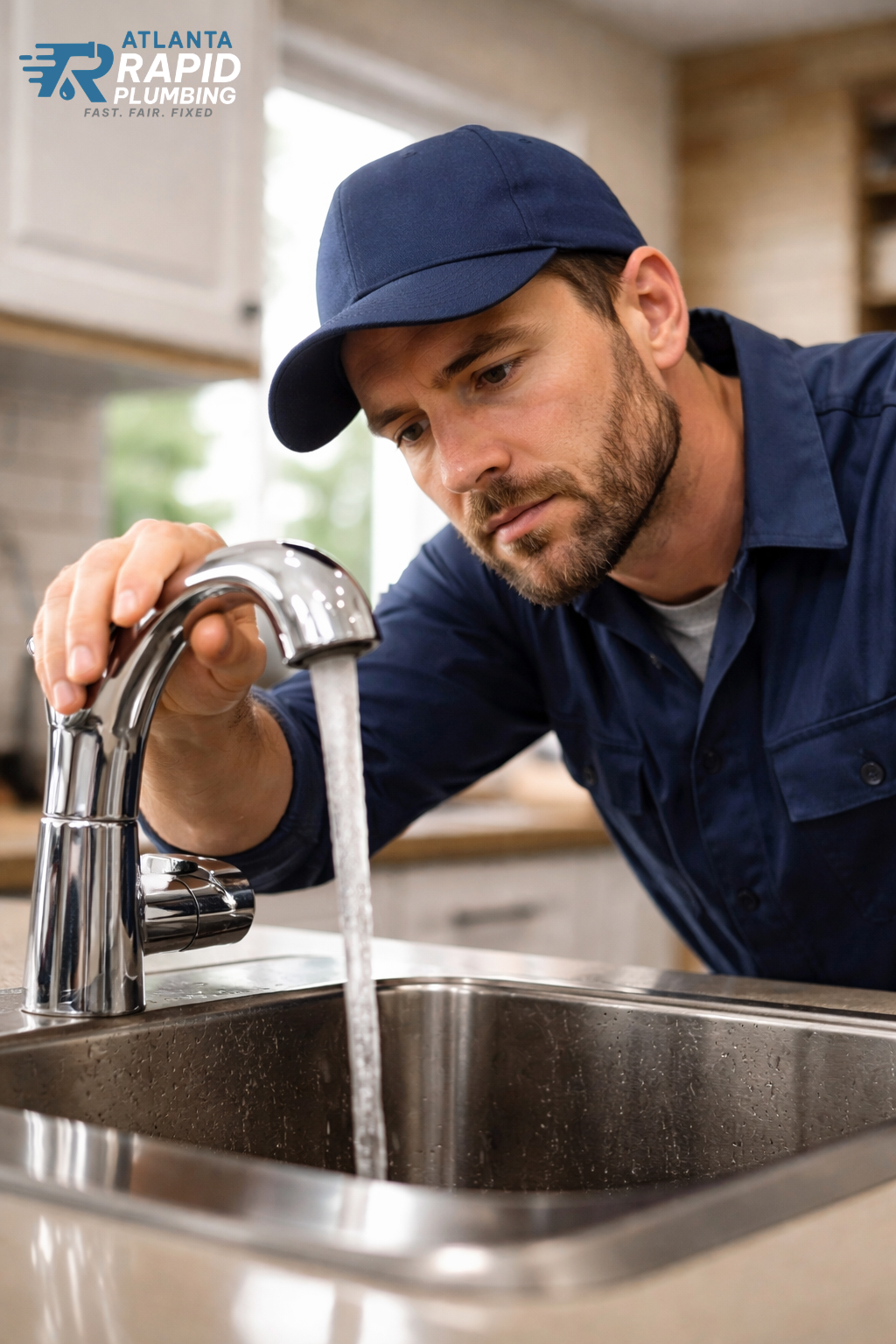
The quickest way to narrow down the problem is to check one faucet or showerhead at a time. Remove the aerator, clean it, and see if that fixes the flow. If it does, you've likely isolated the issue.
If only one fixture is affected, it might be a clogged screen or a partially closed valve. If several fixtures are affected, you might have a main line or hidden piping issue. This method can save you time and help focus the plumber's attention.
Check the Shutoff Valves
Partially closed valves are easy to miss. Check all main shutoff valves, fixture shutoffs, and water meter valves if pressure drops after a plumbing event.
Inspect more than one access point because the issue might not be inside your home. If you replaced a faucet or sink recently, our fixture installation service can help make sure everything's set up right.
Look for Signs of Leaks
Leaks can be sneaky, sometimes only leaving clues like a pressure drop or a faint sound of running water. Look around walls, crawl spaces, and near appliances.
If you're concerned about your water heater, our water heater leak check guide can help you spot early signs. A leak near the heater can affect pressure and stability.
Inspect the Pressure Regulator
Don't forget about the pressure regulator. If it's failing, you might notice inconsistent pressure or sudden surges. Since the regulator affects the whole system, a fault can be confusing.
A plumber can test the regulator and decide if it needs an adjustment or replacement. It's crucial to check this if cleaning fixtures doesn't solve your problem.
Practical Fixes Homeowners Can Try First
Clean Aerators and Showerheads
Mineral buildup often happens where water exits the fixture, making cleaning a smart first move. Soak the aerator or showerhead in vinegar if there are mineral deposits, then scrub with a brush. Reinstall it and check if the flow improves.
This is especially useful in homes with hard water. Regular cleaning can keep your fixtures working properly.
Flush Supply Lines if Sediment Is Present
If there's sediment in your water, flushing the supply lines can help. This clears out loose particles, preventing clogs.
But if sediment returns, there might be a deeper issue with pipe corrosion. In that case, an assessment of your plumbing system is the best fix.
Use a Water Softener When Hard Water Is a Problem
Hard water can lead to constant buildup and clogging. A water softener can reduce mineral deposits and protect your plumbing.
The USGS's data on hard water explains why mineral issues are so prevalent. Better water conditioning can help maintain good pressure over time.
When Low Water Pressure Means Bigger Trouble
Repeated Pressure Drops Across the Home
If cleaning fixtures and checking valves doesn't stop the pressure drops, you might have a more severe issue. Repeated drops often signal hidden leaks, corroded pipes, or a failing pressure regulator.
Whole-home pressure loss is a warning sign. A professional inspection can identify if the problem is mechanical, mineral-related, or tied to the water supply.
Older Homes and Pipe Replacement Needs
Older properties may have outdated piping that corrodes from the inside. As pipes deteriorate, pressure loss becomes more frequent.
Replacing parts of the pipe might be enough, but sometimes a full repiping is needed. Don't delay replacement if multiple signs of deterioration appear.
Smart Monitoring and Preventive Maintenance
Smart plumbing tools can track changes in pressure, alert you to leaks, and catch problems early. They are a practical investment for those aiming to avoid surprise repairs.
Routine maintenance is crucial. Clean aerators, check for corrosion, and inspect pipes regularly, especially in older homes. For more on building a proactive plumbing routine, see our guide to common plumbing mistakes.
Why Water Conservation Can Affect Pressure
Low-Flow Fixtures and Performance Expectations
Water-saving fixtures reduce consumption but can be mistaken for pressure issues. A low-flow showerhead might feel weaker than traditional ones, but it often works just fine.
If the fixture is underperforming or pressure is inconsistent, it might be a mix of conservation design and plumbing issues. Understanding this helps decide if it's the fixture or infrastructure at fault.
Efficient Plumbing Trends in the Industry
The plumbing industry is leaning towards eco-friendly fixtures and systems that save water without losing functionality. This benefits anyone looking to lower utility bills and boost efficiency, though it also changes maintenance needs.
Regular inspections, upgrades, and pressure checks can support both sustainability and comfort. If you’re planning future upgrades, consider how all these elements work together.
Local Considerations for Homeowners and Businesses in Mableton
Older versus Newer Homes
Mableton has a mix of older and newer homes, which means pressure problems can stem from different causes. Older homes may deal with corrosion and buildup, while newer homes might face regulator issues.
For local businesses, consistent water delivery is crucial. A pressure drop can disrupt operations, so it’s important to address it quickly.
Community Maintenance and Service Planning
Infrastructure changes can alter water pressure patterns, so it's wise to monitor any changes rather than ignore them. If a whole street notices a change after utility work, regulators and supply adjustments might be needed.
For local support and a team familiar with these patterns, Atlanta Rapid Plumbers offers hands-on service. Chris Kwangwari, with over 20 years of experience, works directly with clients for stress-free service. Learn more about our Mableton plumbing services.
Frequently Asked Questions About Low Water Pressure
What Causes Low Water Pressure?
Common causes include clogged aerators, mineral buildup, leaks, corroded pipes, partially closed valves, and pressure regulator issues. Sometimes it's just one fixture, other times the whole system.
How Can I Fix Low Water Pressure?
Start with cleaning fixtures, checking shutoff valves, and looking for visible leaks. If these steps don't help, inspect the pressure regulator and consider the pipe condition. When in doubt, a professional plumber can help.
When Should I Call a Plumber?
Call a plumber if the pressure drop is sudden, impacts multiple fixtures, or comes with leaks, corrosion, or discolored water. Persistent issues likely need professional attention.
How Atlanta Rapid Plumbers Can Help
Diagnosis, Repair, and Replacement
Low water pressure is often a symptom of a bigger issue. Proper diagnosis can reveal if you need fixture cleaning, leak repair, a regulator adjustment, or pipe replacement. Sometimes, multiple problems need addressing to restore pressure.
Our team can help find the most efficient solution based on your home's age, pipe condition, and symptoms you're experiencing. If wear is an issue, our pipe repair and replacement services can offer a long-term fix.
Preventive Care for Better Long-Term Performance
Preventive maintenance can prevent repeated pressure problems. Regular cleaning, checking water quality, inspecting regulators, and watching for leaks can keep your system running smoothly.
If you’re ready to tackle low water pressure or want a thorough plumbing evaluation, Atlanta Rapid Plumbers is here to help. Whether you need quick troubleshooting, repair, or a full system review, our goal is to bring back reliable water flow and peace of mind. Call (770)-404-6895 or contact us at Totalservicesre@gmail.com to schedule a service with a trusted local plumber.
Final Takeaway
A drop in water pressure can be something simple, like a clogged aerator, or more serious, like a hidden leak or failing pressure regulator. The key is to figure out if the issue is with one fixture or affects the whole home, then act before it gets worse. With regular maintenance and timely repairs, most pressure problems can be tackled effectively.
If you want reliable plumbing help, a professional inspection is the best way to protect your home. For more reading, check out our drain cleaning warning signs guide or our crawl space plumbing issues article. These topics often overlap with pressure loss and can reveal other issues that need attention.
Need help with your water pressure? Reach out to Atlanta Rapid Plumbers today and get a clear, professional solution that restores steady flow and confidence in your plumbing system.