Septic System or Sewer Connection? How to Know Which Your Property Needs
Have you ever wondered whether your property should rely on a septic system or connect to the public sewer? It’s a big decision for homeowners in Georgia, especially those around Mableton. This guide is here to help you figure out what’s best for your property by looking at technical, regulatory, environmental, and financial factors. We’ll explore local guidance, real-world examples, and practical steps so you can make a smart choice that’s good for both your property and the environment.
If plumbing issues are making this decision tricky, our experts at Atlanta Rapid Plumbers are here to help. We can check your system and offer solutions. For urgent issues like clogged drains or failing lines, our drain cleaning services are ready to clear things up quickly. The American Society of Civil Engineers recently shed light on Georgia’s wastewater system challenges, showing why an informed approach is crucial for homeowners and communities. (ASCE: Georgia Infrastructure Report Card)
Why Choosing Between Septic and Sewer Matters
Health, Safety, and Environmental Impact
Picking between a septic system and sewer isn’t just about convenience; it affects everyone’s health and the local environment. A good septic system treats wastewater right on your property, but a failing one can leak harmful stuff into our water. In busy areas, a sewer system helps manage waste better, while in rural spots, a well-maintained septic system can be a great, low-impact choice.
Taking care of our environment means knowing how your system works and where it’s located. Regular checks help prevent contamination, and in some places, you might need to connect to a sewer if there’s a health risk. The EPA has great resources on this topic. (EPA: Septic Systems)
Property Value and Resale Considerations
Whether your property uses a septic system or a sewer connection can impact its resale value. Some buyers like properties connected to municipal sewers because they don’t want to manage a septic system. Lenders and insurers might ask for system inspections or certifications when a home has a septic system, and sellers usually need to disclose the system's history.
On the flip side, large lots with well-kept septic systems can appeal to buyers who like privacy or rural vibes. The key is having documentation: proof of pump-outs, inspection records, and any repairs. If you need inspection-based repairs, our pipe repair and replacement team can fix leaks or damaged lines before you sell.
Lifecycle and Infrastructure Planning
Local governments plan how wastewater systems expand, impacting individual properties. If a sewer line is planned near you, you might have to connect when it becomes available. Knowing these timelines is essential because connecting later can be more costly than doing it when the sewer is first built. Switching from septic to sewer might also involve costs for decommissioning old systems.
Municipal planning impacts community costs and environmental outcomes. The Georgia infrastructure report card highlights challenges and stresses the importance of coordinated planning. Check local plans and timelines before deciding.
Understanding Septic Systems
How Septic Systems Work
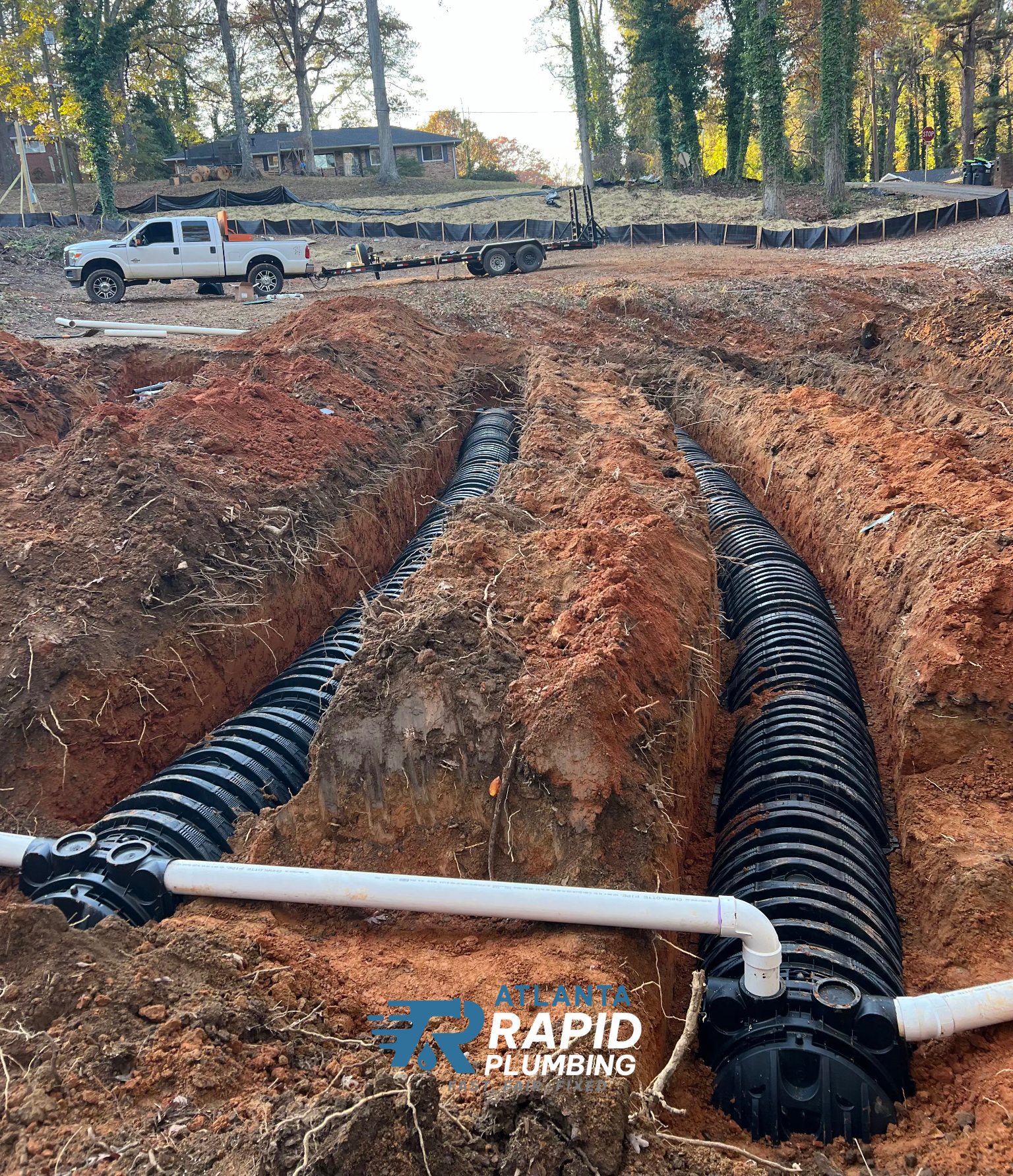
A septic system includes a tank and a drainfield. Wastewater from your home flows into the tank, where solids settle and bacteria break down materials. The liquid then moves to the drainfield, where soil filters out contaminants before the water returns to the ground. Proper design considers soil, slope, and size to ensure effective treatment.
Septic systems range from simple gravity systems to advanced units with pumps. The right system depends on soil tests, water table depth, and water usage. Licensed installers and health departments review designs to ensure they meet rules.
Maintenance Requirements and Best Practices
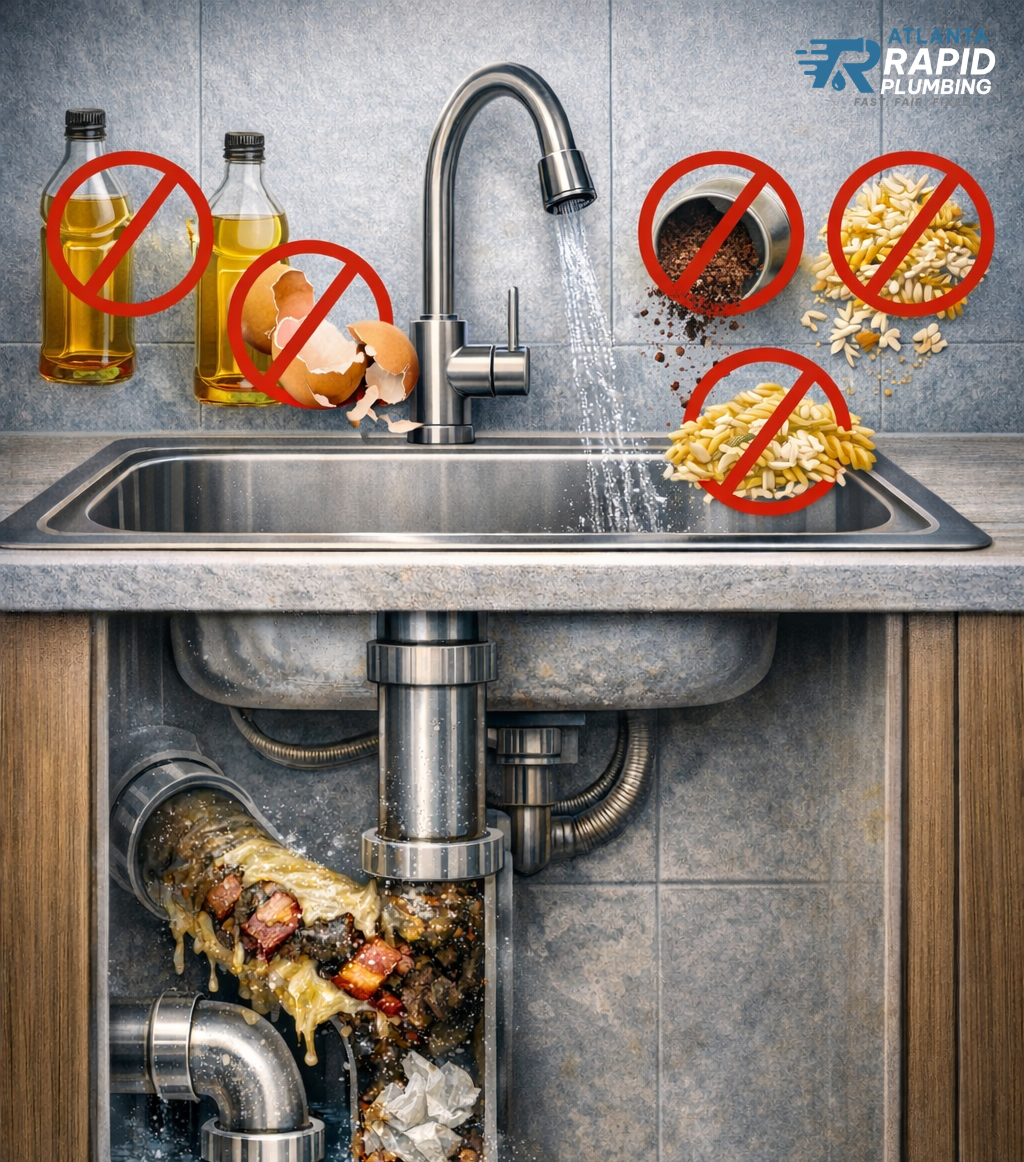
Regular maintenance is key to septic system health. Georgia experts suggest inspections every three to five years and pumping the tank based on household size. Maintenance includes watching water habits, keeping grease and non-biodegradables out of drains, and protecting the drainfield from heavy vehicles.
Neglecting maintenance can lead to backups, repairs, and fines. For practical maintenance and troubleshooting, like persistent slow drains or odors, we offer targeted services. Our team can inspect and repair systems to extend their life. Check out our emergency plumbing services for quick help when needed.
Costs: Installation, Maintenance, and Replacement
Septic system installation costs vary based on type, size, and site conditions. Conventional systems generally cost less than advanced ones needed for difficult soils. Routine maintenance costs a few hundred dollars every few years, but replacing a failing system can reach tens of thousands.
Since septic systems are on your property, you bear the costs. In some Georgia counties, switching from septic to sewer can cost over $14,000. Consider both maintenance and potential replacement costs when comparing options.
Understanding Sewer Connections
How Sewer Systems Work and What Connection Means
Public sewer systems collect wastewater from properties through a network of pipes to a treatment plant. When you connect to a sewer, your wastewater flows off-site to the municipal main. Municipalities treat water to meet standards, reducing local pollution risks from septic failures.
Connecting often needs a permit, fee, and physical work to link your property’s lateral to the main. The depth of the main and the lateral’s location affect installation complexity. Sometimes gravity works; other times, pumps are needed.
Costs, Fees, and Financial Implications
Connecting to a sewer involves upfront costs for permits, excavation, and utility fees. In Georgia, costs can exceed $14,000 for switching from septic to sewer. The process can disrupt yards and driveways. However, sewer service eliminates most on-site maintenance and simplifies long-term planning.
Utility bills add recurring expenses, covering treatment and upkeep. Compare upfront connection costs with expected septic maintenance and replacement costs. Some places offer help with required connections—check with your local utility.
Benefits and Downsides of Sewer Connection
Benefits of sewer connection include reduced groundwater contamination risk, less maintenance, and broad treatment oversight. Properties on sewer often have more flexibility for building because they’re not limited by on-site system needs.
Downsides include connection expense, ongoing service charges, and possible system-wide outages. For remote properties, connection costs and logistics might make septic systems the better option.
Regulations and Compliance in Georgia
When Connection is Required (Distance Rules and County Exceptions)
Georgia law and local codes set rules for when you must connect to public sewer. A common rule is that if a sewer is within 200 feet of your property, you may need to connect. Local codes can vary based on lot size, density, or environmental concerns. For example, Cobb County has criteria for required connections. Check the Cobb County code for details. (Cobb County Code)
Property owners should consult county departments early to understand connection timelines and requirements. Ignoring orders for required connections can lead to fines. Most counties also require proper decommissioning of abandoned septic tanks.
State Rules and Permitting
State rules cover sewage management standards and permits in Georgia. The Georgia Environmental Protection Division and local health districts oversee septic systems. If sewer is available, you generally can’t continue using a septic system without approval.
Legal texts outline penalties for non-compliance and set standards for on-site systems. The Cornell Legal Information Institute offers a clear reference to Georgia’s rules. (Georgia Regulation: On-site Sewage Systems)
Local Enforcement and Practical Steps to Stay Compliant
To stay compliant, get permits before modifying or installing wastewater systems, keep inspection records, and get approval before abandoning a septic system. If sewer becomes available, review notices about connection deadlines and assistance programs. Work with experienced plumbers to avoid issues.
When connection is required, hire professionals to reduce the risk of improper work. Our team works with local departments to ensure installations meet specifications and minimize complications.
Costs and Long-Term Economics
Comparing Upfront Costs and Recurring Expenses
Septic installation costs range based on soil and system type. Recurring costs include inspections and repairs. Connecting to sewer involves a different cost profile: higher initial fees and yard excavation, followed by monthly bills. Create a 10- to 20-year cost projection for each scenario.
For example, a property with a new septic system and good soil might have low annual costs but face big replacement costs later. A sewer connection eliminates replacement risk but adds ongoing charges. Consider how long you plan to own the property.
Case Study: Gwinnett County Connection Costs
A case study from Gwinnett County shows the financial impact of switching to sewer. Some homeowners spent over $14,000 due to deep excavations and fees. The process can involve temporary closures and landscaping restoration. These cases highlight why budgeting conservatively and getting multiple estimates matter.
When assessing quotes, ask for a breakdown: permit fees, excavation, installation, and restoration. Compare that total to projected septic maintenance and replacement costs to guide your decision.
Financial Assistance and Incentives
Some programs offer financial help, phased connections, or fee waivers for required sewer connections. Availability varies by location and often depends on income or environmental priorities. Contact your local utility for options.
If assistance isn’t available, spread costs over time with payment plans or financing. Make sure financing covers the full scope of work, including tank abandonment and landscaping.
Maintenance, Troubleshooting, and Failure Prevention
Routine Maintenance Checklist
Maintaining a septic system involves simple steps: schedule inspections every three to five years, pump the tank as needed, avoid flushing non-biodegradable items, limit household chemicals, and protect the drainfield. Document maintenance actions for disputes or sales.
Septic tanks should be pumped more often in large households. Some homes benefit from baffle inspections, and advanced systems may require checks. Our technicians offer tailored maintenance schedules and services.
Signs of a Failing System and Immediate Actions
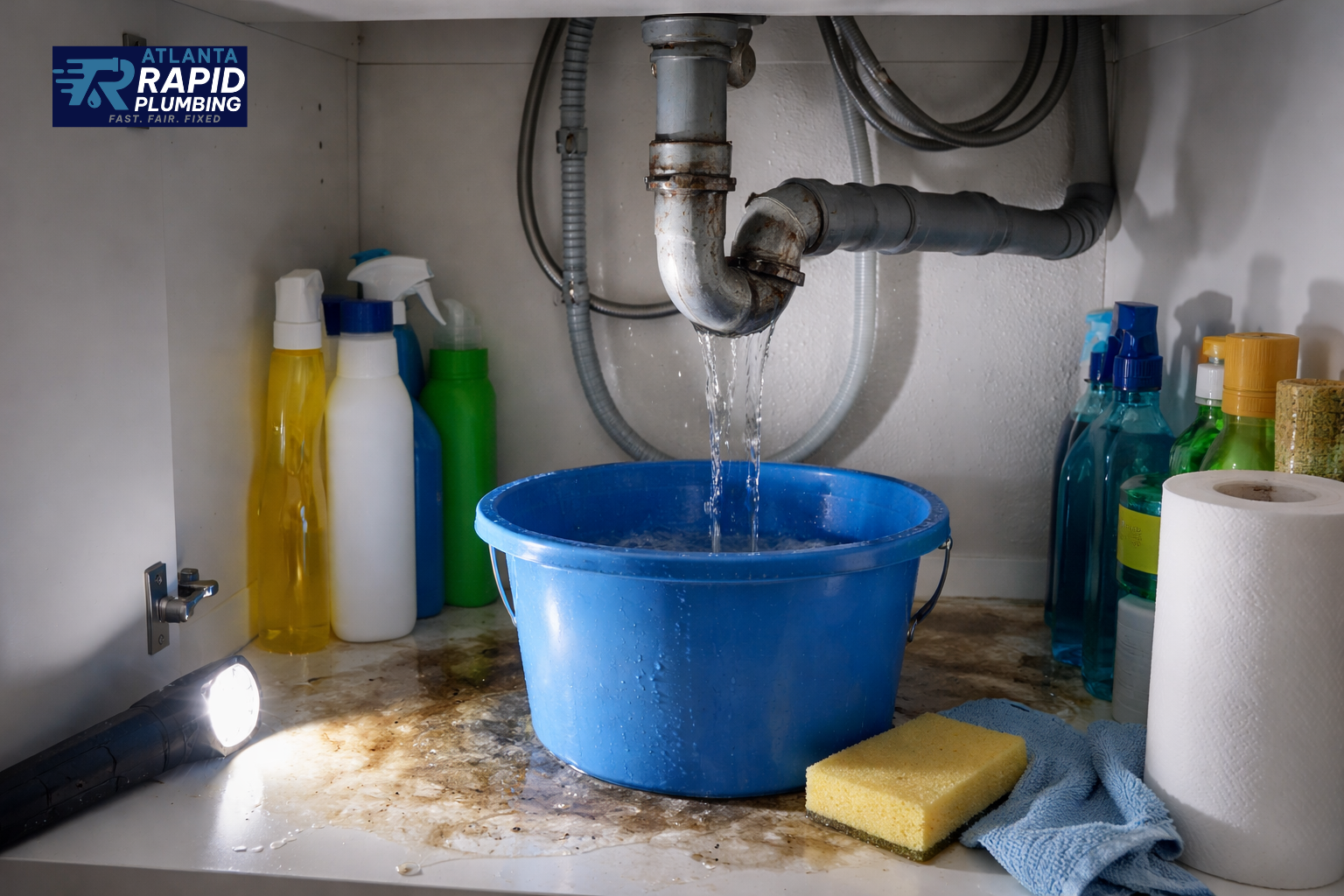
Look for signs of septic failure: slow drains, odors, soggy patches, sewage backups, and high nitrate levels in well water. If you see these, limit water use and contact a plumber or health department. Quick intervention can prevent failures and lower repair costs.
Emergency responses might include pumping the tank, repairing pipes, or restricting water use. For urgent issues, our emergency plumbing services can stabilize the situation and advise on next steps.
When to Replace Versus Repair
Minor issues like a broken pipe are often repairable. Full replacement is needed when the drainfield is damaged, the tank fails, or the system doesn’t meet regulations. Age, repair frequency, and cost comparison guide decisions.
A professional evaluation includes soil testing, tank inspection, and drainfield assessment. We provide reports and estimates to show whether repairs or replacement is best for long-term function and compliance.
Making the Right Choice for Your Mableton Property
Evaluate Site-Specific Factors
Every property is unique. Consider proximity to sewer mains, lot size, soil type, water table depth, and water use. If sewer is within the county’s required distance, you may need to connect. Check local rules and timelines.
Hire a licensed plumber to perform soil tests and system reviews. Their findings help compare installation options and costs for septic or sewer connections.
Decision Framework: Questions to Ask
Ask structured questions: Is sewer available within the required distance? What are the costs? What are the soil conditions? How long will you own the property? Are there mandates or incentives? Answering these helps weigh convenience against financial and environmental considerations.
Document responses and get written estimates from professionals. When sewer is mandatory, comply to avoid penalties; when it’s optional, choose what balances cost, compliance, and peace of mind.
Working with Plumbers and Local Agencies
Georgia plumbers are key to installations, repairs, and paperwork. Choose contractors with local experience who communicate clearly and coordinate with health departments. Our team at Atlanta Rapid Plumbers works with clients and authorities to ensure clarity and compliance.
A qualified plumber can also perform pre-sale inspections, prepare lender documents, and advise on maintenance plans. Checking credentials reduces mistake risks and ensures compliance.
Frequently Asked Questions (FAQ)
How Close Does Sewer Need to Be to Require Connection?
Many places use a 200-foot rule from property line to sewer main, but this varies by county. For exact requirements in Cobb County and Mableton, check the county code or contact the local utility. Verify current rules before planning. See Cobb County’s code for reference. (Cobb County Code)
If you’re near a future sewer extension, talk with county staff and a plumber about options and timelines for connection or continued septic use.
How Often Should I Have My Septic System Pumped and Inspected?
Experts recommend septic inspections every three to five years, with pumping intervals based on household size and tank capacity. High-usage homes may need more frequent service. Regular inspections catch problems early and maintain compliance.
Keep records of all inspections and pump-outs for resale or regulatory inquiries. If you notice warning signs, contact a plumber immediately.
What Are the Steps to Connect to Sewer if Required?
The process usually involves contacting your local utility, obtaining permits, hiring a contractor to connect the lateral, decommissioning the septic tank, and scheduling inspections. Each area has steps and fees to follow; working with a local contractor streamlines the process.
Be ready for temporary yard disruption and landscaping restoration. A detailed contractor quote should include restoration costs.
Who Enforces Septic and Sewer Rules in Georgia?
Local health departments, municipal utilities, and state agencies share enforcement. Counties manage septic permits and inspections, while municipal utilities oversee sewer connections. Agencies can require action or fines for violations.
If you receive an enforcement notice, consult the issuing agency and consider hiring a plumbing professional for compliance evaluation.
Conclusion and Next Steps
Choosing between a septic system and a sewer connection requires careful evaluation of site conditions, costs, responsibilities, and regulations. For Mableton property owners, local codes may require connections under certain circumstances, while septic systems remain viable for many properties. Use the decision framework to compare costs and obligations, and consult county resources and professionals early.
If you need help assessing your property or performing inspections and repairs, Atlanta Rapid Plumbers is ready to assist. We offer guidance, installations, and communication to make every job smooth. For maintenance, repairs, or emergencies that affect your wastewater planning, contact our team or explore our services. Pipe repair and replacement and water heater installation and repair are examples of how we support homeowners.
Take the next step: schedule an assessment, request an estimate, and protect your home’s wastewater system. Call Atlanta Rapid Plumbers at (770)-404-6895 or email Totalservicesre@gmail.com to talk with a licensed technician. If urgent, our emergency plumbing services team is available for fast response.
For further reading: consult the ASCE Georgia infrastructure report, the EPA for septic guidance, and Georgia regulations for legal requirements. (ASCE) | (EPA) | (Georgia Regulation)