Most Common Plumbing Problems in Atlanta Homes and How to Detect Them Early
Living in Atlanta comes with its own set of plumbing challenges due to the area's climate, trees, and older buildings. This guide will take you through some common plumbing issues in Atlanta homes, how to spot them early, and ways to avoid expensive repairs. Whether you're in a modern subdivision or an older area like Mableton, knowing what to look for and when to call a plumber can save you time, money, and stress.
Understanding Atlanta's Unique Plumbing Challenges
Climate and Rapid Temperature Changes
Atlanta's weather can be unpredictable—one day it’s warm, the next it’s chilly. These temperature changes make pipes expand and contract, which can stress them over time. Homes with pipes in uninsulated places like attics or exterior walls are more likely to suffer from cracks and leaks.
To protect your pipes, you can insulate them and seal drafts in your attic. This can save you from water damage and also help with energy efficiency. For homes in older neighborhoods like Mableton, it might mean upgrading original plumbing to meet modern standards.
Aging Infrastructure and City Water Systems
Some parts of Atlanta have old water mains and sewer systems that can fail. Events like the June 2024 water main breaks in downtown and Midtown show how these problems can affect homeowners, causing changes in water pressure and even boil-water notices. Read more about the June 2024 events on AP News.
When city infrastructure is shaky, you might notice unusual pressure changes or sediment in your water. Staying updated with local utility news and getting regular inspections can help you catch issues early and know whether they’re your responsibility or the city’s.
Tree Canopy, Roots, and Landscaping
Atlanta's beautiful trees can become a plumbing nightmare because tree roots love water and can invade sewer lines. Once inside, they can block pipes and cause backups, especially in older lines made from clay or cast iron.
Regular check-ups and smart landscaping—like not planting big trees near sewer lines—can help. Also, routine sewer inspections can catch root problems before they become serious.
Top Plumbing Problems in Atlanta Homes (What to Expect)
Tree Root Intrusion in Sewer Lines
Roots getting into sewer lines are one of the most common issues in Atlanta. They can block pipes, leading to slow drains and backups. To find roots early, a camera inspection is often needed. Solutions include removing the roots and repairing the pipe.
Regular inspections and careful landscaping choices can help prevent these problems in the long run.
Pipe Damage from Rapid Temperature Changes
Quick temperature changes cause pipes to expand and contract, which can lead to cracks. This is especially true for pipes in uninsulated spaces. A small crack can cause major damage over time.
Insulating pipes and stabilizing temperatures in unheated areas can help prevent these issues. Regular checks during seasonal changes can catch signs of stress early.
Low Water Pressure
Low pressure can be due to sediment buildup, corroded pipes, or partly closed valves. In older homes, mineral deposits and corrosion are common culprits. Low pressure affects everything from shower enjoyment to appliance performance.
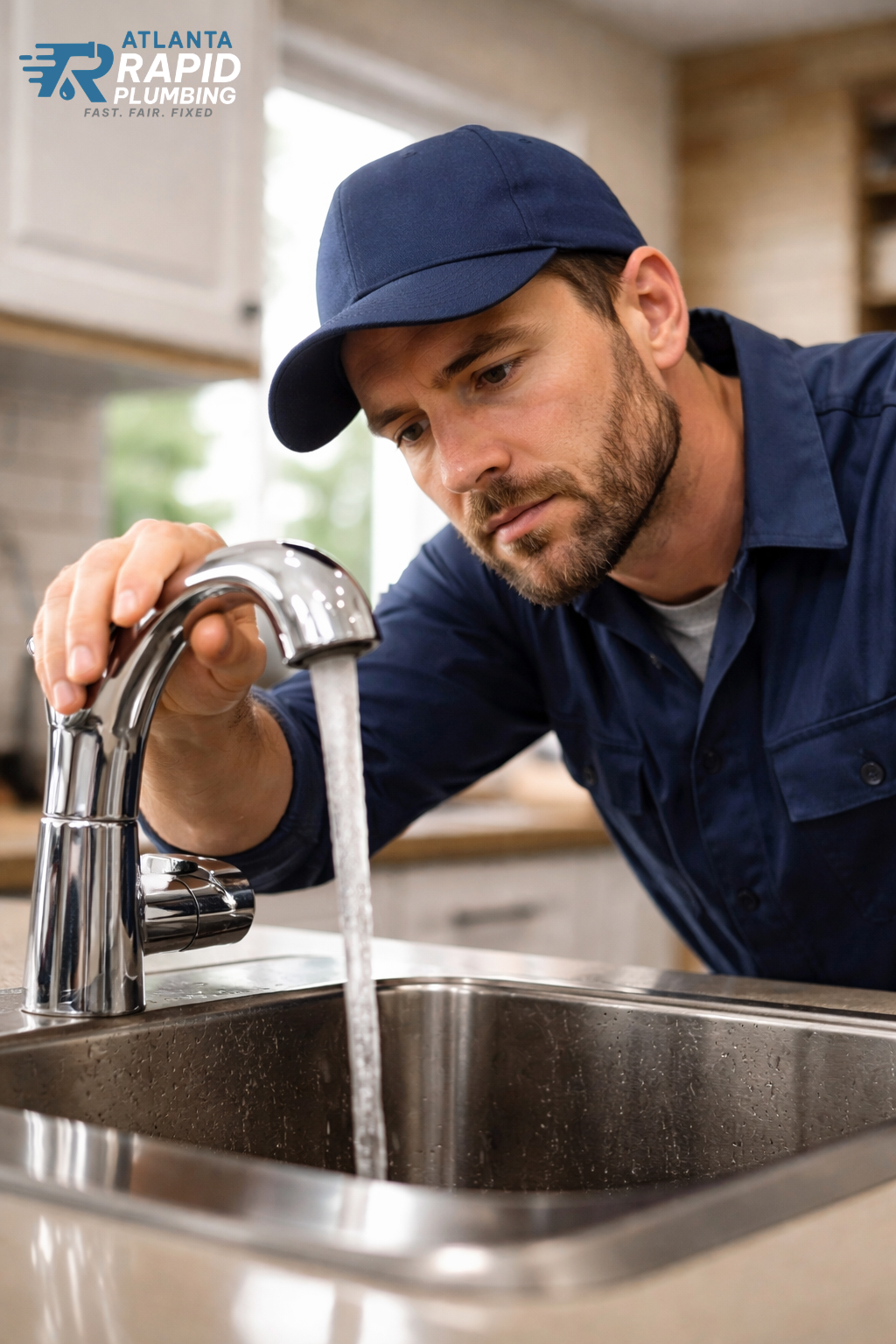
Start by checking faucet aerators and showerheads for clogs, and make sure valves are open. If the problem persists, get a professional to take a look.
Clogged or Slow Drains
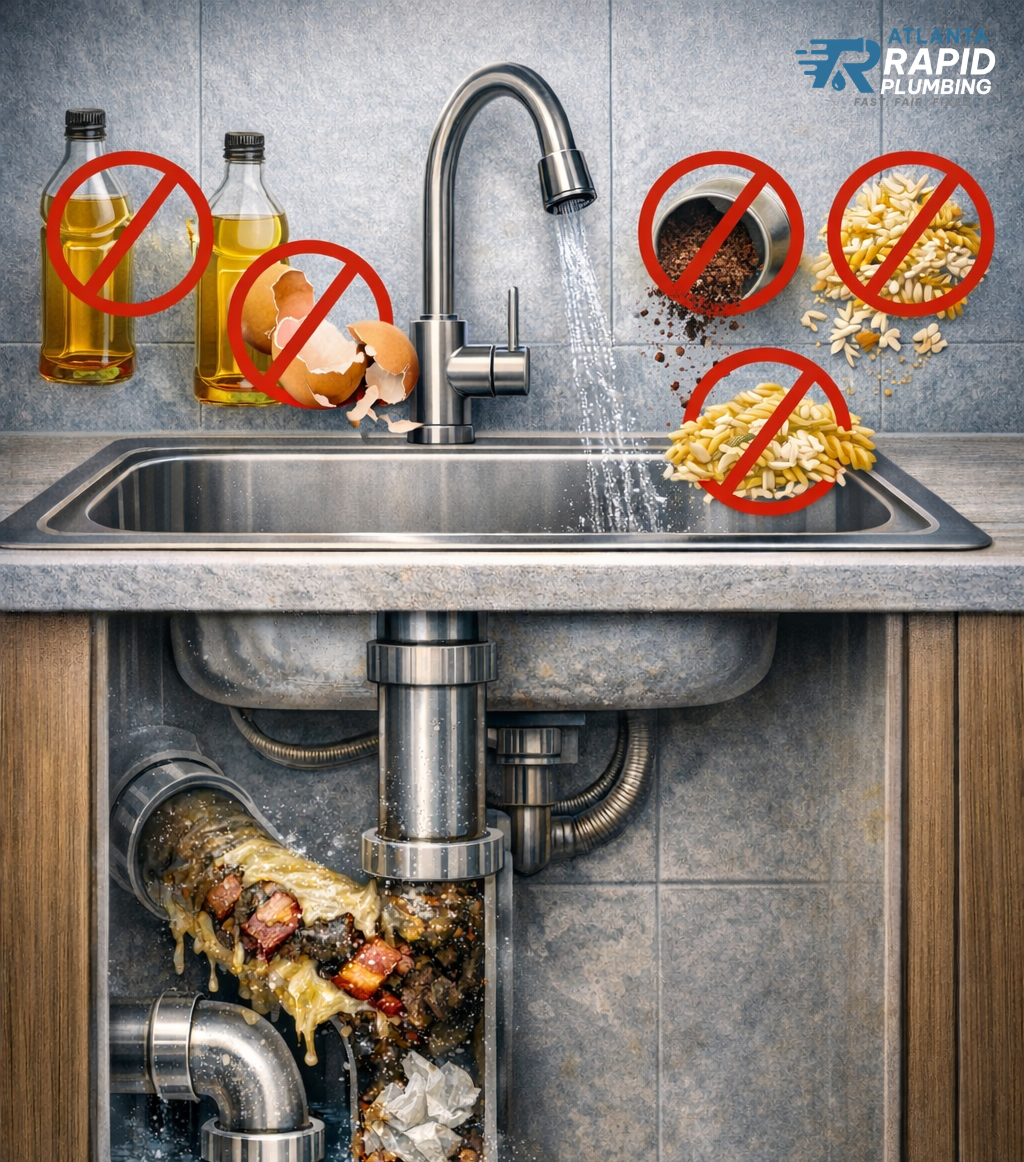
Slow drains are common and often linked to root intrusion, collapsed sewer lines, or poorly graded pipes. Household habits like pouring grease down the sink can make things worse.
Minor clogs can be cleared with a snake or hydrojetting, but persistent issues may need a camera inspection to find the root cause.
Hidden Leaks and Water Damage
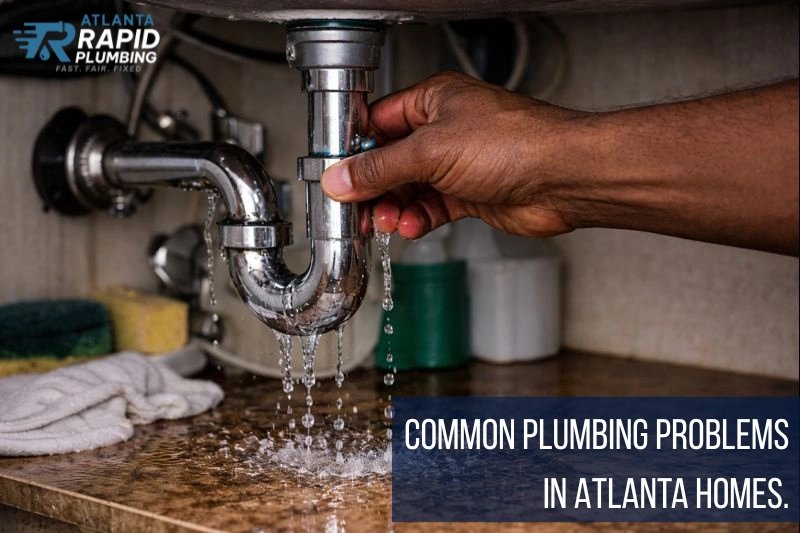
Leaks behind walls or under floors can go unnoticed until they cause major damage. Water stains, musty smells, and unexplained mold are signs of hidden leaks. A sudden spike in your water bill is another clue.
Checking your water meter and using moisture meters can help detect these leaks early. Quick action can save you from expensive repairs.
Early Detection: Practical Signs and Steps to Monitor
Watch Your Water Meter and Bills
If your water bill suddenly goes up without a clear reason, you might have a leak. Regularly check your meter, especially when no water is being used. If the meter moves, there’s a problem.
Watching your bills month-to-month can help you spot unusual increases. Fixing small leaks early can save a lot of water and money.
Listen and Look for Early Clues
Gurgling drains, slow-filling toilets, and sounds of running water when everything is off are signs of plumbing issues. Watch for water stains, peeling paint, or bubbling wallpaper too.
Keeping track of these signs can help plumbers diagnose problems quickly.
Recognize Drain Behavior and Toilet Symptoms
Slow drains, toilets that gurgle, or take a long time to refill can indicate a shared drain issue. When multiple fixtures show problems, it’s usually not just one drain at fault but something deeper.
Addressing these signs early prevents bigger issues like backups.
Diagnostic Tools and Professional Inspections
Sewer Camera Inspections: Why They Matter
Camera inspections let plumbers see inside pipes without digging. They can find root intrusion, cracks, and other issues, making repairs more targeted. In Atlanta, with its tree roots and older pipes, camera inspections are very useful.
If you suspect root problems, a camera inspection can provide a clear repair plan.
Pressure Tests, Leak Detection, and Thermal Imaging
Pressure tests check for leaks by measuring pressure loss. Professionals often combine this with acoustic listening devices and thermal imaging to find hidden problems without tearing into walls.
Thermal imaging detects temperature changes caused by leaks, while acoustic equipment helps locate the sound of escaping water.
Comprehensive Inspections for Older Homes
Older homes might have original plumbing that doesn’t meet modern standards. An annual inspection can catch issues like corrosion and check water heating equipment.
These inspections can prevent water damage and reduce emergency repairs.
DIY Prevention and Maintenance Tips for Homeowners
Root-Resistant Landscaping and Tree Management
Choosing the right plants can reduce the risk of root intrusion. Avoid planting large trees near sewer lines, and pick shrubs with less aggressive roots. Regular root pruning is also helpful.
Consider root barriers to keep roots away from pipes.
Insulate Pipes and Protect Vulnerable Runs
Insulating pipes in unheated areas can prevent damage from temperature changes. Foam sleeves and heat tape are easy DIY fixes.
Check insulation regularly, especially before seasonal changes.
Routine Cleaning and Smart Habits
Good habits can extend the life of your plumbing. Avoid pouring grease down drains, use hair catchers, and only flush approved items.
Regular professional drain cleaning can prevent serious issues later.
When to Call a Pro: Emergency Signs and Services
Burst Pipes and Major Leaks
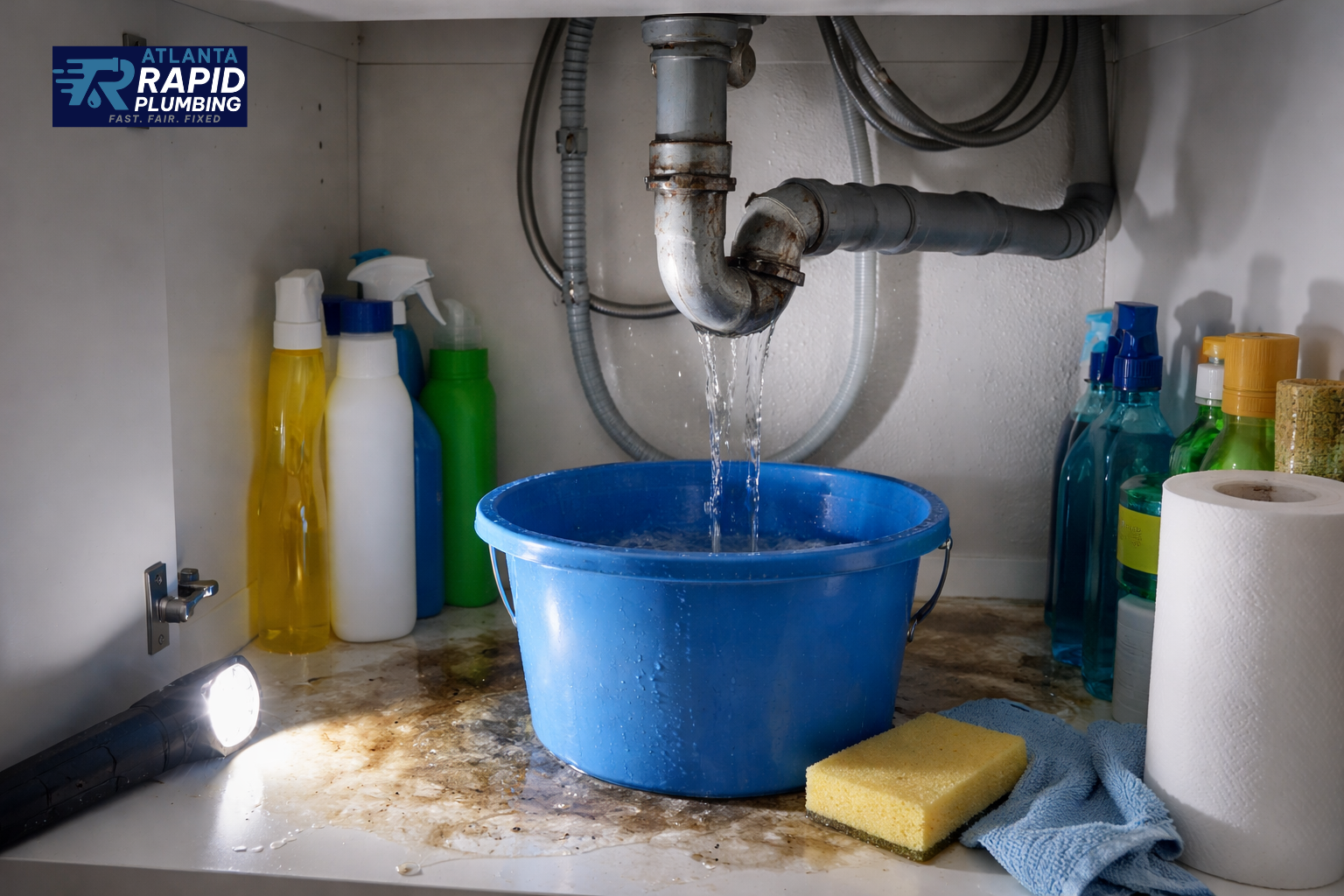
If a pipe bursts, turn off the main water valve and call emergency services. Quick action can limit damage and mold growth.
Knowing how to shut off your water supply can reduce panic during a crisis.
Sewage Backups and Health Concerns
Sewage backups are serious health risks. Avoid contact and call a professional for cleanup. The U.S. Environmental Protection Agency offers guidance on water efficiency and safety.
If backups keep happening, a camera inspection can find the cause.
Water Heater Failures and Replacement Indicators
Signs your water heater might fail include inconsistent hot water and strange noises. Address these early to avoid emergency replacements.
Routine maintenance like flushing the tank can extend its life.
Case Studies and Local Examples
June 2024 Water Main Breaks: Lessons for Homeowners
The June 2024 water main breaks in Atlanta showed how vulnerable old infrastructure can be. It’s crucial to know how to shut off water and plan for pressure changes. Learn more about the incident.
Regular inspections and having a trusted local plumber can reduce stress during such events.
A Mableton Root Intrusion Repair Walkthrough
In Mableton, a homeowner with slow drains found significant root intrusion via a camera inspection. The solution was mechanical cutting and pipe lining, which saved landscaping and money.
If you have similar symptoms, a camera inspection and targeted treatment can help.
Cost Comparison: Preventive Inspection vs. Emergency Repair
Preventive inspections cost a few hundred dollars and can catch problems that would otherwise lead to thousands in emergency repairs.
Investing in preventative care is a cost-effective way to protect your home.
FAQs and Troubleshooting Guide
How can I detect a hidden water leak?
Check your water meter and bills for unexplained increases. Other signs are water stains and musty odors. Professional leak detection combines pressure testing and thermal imaging.
Early action can save on repairs and prevent structural damage.
What should I do if I notice low water pressure?
Start by checking faucets and valves for clogs. If the problem affects the whole house, a professional evaluation can find the cause.
Addressing pressure issues early avoids appliance strain.
How can I prevent tree roots from damaging my sewer lines?
Avoid planting large trees near sewer lines, and use root-resistant plants. Regular camera inspections can catch root problems early.
Consulting both an arborist and a plumber can help align landscape and plumbing needs.
Conclusion and Next Steps
Homeowners in Atlanta and Mableton face plumbing challenges due to climate, trees, and aging infrastructure. But many issues are preventable with early detection and regular inspections. Modern diagnostics like camera inspections help professionals make targeted repairs.
If you notice warning signs like high water bills or slow drains, don't wait. Schedule an inspection for an accurate diagnosis. Atlanta Rapid Plumbers offers local expertise with services like drain cleaning, pipe repair, and 24/7 emergency plumbing.
Ready to protect your home? Call Atlanta Rapid Plumbers at (770)-404-6895 or email Totalservicesre@gmail.com to schedule an inspection or emergency visit. Stay proactive—your plumbing and wallet will thank you.
For more background on plumbing systems, check out Wikipedia's plumbing overview.