Plumbing Issues in Crawl Spaces: Warning Signs You Shouldn't Ignore
Crawl spaces aren't usually top of mind, but when plumbing problems start there, they can lead to real trouble. Let's look at key warning signs that homeowners in the Atlanta area should be on the lookout for. We'll also explore why these issues can get worse in humid climates and what you can do to keep your home safe. You'll pick up tips on spotting leaks early and understanding the risks of too much moisture. Plus, you'll get advice from plumbing and foundation pros with experience in Mableton and greater Atlanta.
Because crawl spaces are tucked away under the house, plumbing problems often go unnoticed until they've caused significant damage. Regular check-ups and proactive maintenance can help you avoid costly repairs. Knowing what signs to watch for can help you tackle small issues before they turn into big headaches. We'll also share local tips, real-life examples, and links to reliable resources for more in-depth guidance.
Atlanta Rapid Plumbers has more than 20 years of experience dealing with crawl space-related plumbing issues here. This article brings together the best industry advice and regional insights so you can make informed decisions for your home. If you need help right away, our team offers quick response options and specialized services to diagnose and fix crawl space plumbing problems.
We'll cover the signs of plumbing problems, why the Southeastern climate makes things trickier, how encapsulation and moisture control can help, and what to do if you find a problem. We also include FAQs, troubleshooting tips, and an easy-to-follow action plan. If you face an emergency, remember that our emergency plumbing services are available to respond quickly and minimize damage.
Why Crawl Space Plumbing Problems Are a Big Deal
Hidden Systems and Delayed Detection
Pipes in crawl spaces are often hidden under floor joists and insulation, so slow leaks or tiny corrosion spots might not get noticed until symptoms appear upstairs. This hidden nature makes regular inspections crucial because even a small continuous drip can soak insulation and wooden framing over time. Catching problems early saves money and prevents secondary issues like mold growth and structural damage.
Climate and Soil Factors in the Atlanta Region
Atlanta's humid subtropical climate, including areas like Mableton, increases the chances of moisture build-up in crawl spaces. Seasonal heavy rains and high humidity encourage condensation and standing water, which can speed up pipe corrosion and lead to mold growth. Plus, Atlanta's varied soil types can affect drainage around foundations, meaning poor drainage outside can lead to wetter crawl spaces inside.
Big Consequences: From Plumbing Leak to Foundation Damage
A plumbing leak in a crawl space is more than just a leak. It can destabilize soil, weaken support piers, and cause wood rot in the structural parts of your home. Over time, persistent moisture can lead to foundation settling or even movement, which stresses plumbing joints and increases the risk of more leaks. Fixing the initial plumbing issue can prevent a chain reaction of structural problems.
Common Signs of Crawl Space Plumbing Problems
Musty Odors and Poor Indoor Air Quality
One of the first and most noticeable signs of crawl space moisture or plumbing leaks is a musty smell inside your home. If you notice a mildew-like odor that gets stronger on humid days or after rain, it might indicate mold or mildew in the crawl space caused by plumbing moisture. Crawl spaces communicate with living spaces through floor vents and gaps, so this can impact indoor air quality and worsen allergies or breathing issues.
Visible Mold, Standing Water, and Wet Insulation
If you can get into the crawl space and spot patches of mold, green or black stains, or wet, saggy insulation, these are strong signs of ongoing moisture. Puddles of standing water, even small ones after rain, indicate drainage issues or active plumbing leaks. Wet insulation loses its R-value and can hide damaged pipes, so a thorough check and drying strategy are crucial to stop ongoing damage.
Sagging Floors, Warped Flooring, and Stained Ceilings
Sagging or soft spots in the floor above a crawl space often point to long-term moisture exposure and possible rot of subflooring or joists. Warped hardwood or stains on ceilings below bathrooms or kitchens can indicate a slow leak from the crawl space or a failing drain line. When you see these structural or cosmetic signs, have a professional check both the plumbing and the supporting structure immediately.
How Moisture Speeds Up Plumbing Problems
Corrosion and Pipe Degradation
High humidity and standing moisture can speed up corrosion on metal pipes and fittings, especially older materials like galvanized steel. Corrosion reduces wall thickness and creates weak spots that eventually leak or burst. Even plastic pipes can be indirectly affected: moisture encourages microbial growth that can impact surrounding support materials, causing movement or abrasion on pipe surfaces over time.
Mold and Biological Growth Impacts
Excess moisture fosters mold, mildew, and wood-decay organisms that eat away at insulation and wooden framing. This biological breakdown weakens the structural components that support plumbing lines, increasing the risk of joint separation or sagging pipes. For guidance on mold and indoor air quality, see the CDC’s information on mold exposure and remediation: CDC - Mold.
Insulation and HVAC Interactions
Wet or compacted crawl space insulation reduces thermal performance and can alter HVAC load calculations, causing equipment to run longer and increasing humidity control challenges. This interplay between plumbing moisture and HVAC performance can create a cycle where increased indoor humidity further stresses plumbing components. Addressing crawl space moisture with targeted solutions often improves both plumbing and HVAC longevity.
Modern Solutions: Encapsulation and Moisture Management
What Crawl Space Encapsulation Involves
Crawl space encapsulation typically involves sealing the ground with a thick vapor barrier, insulating walls or rim joists, sealing vents and penetrations, and installing a dehumidifier or drainage system where necessary. Encapsulation reduces the amount of airborne moisture entering the crawl space, preventing condensation and helping to control relative humidity year-round. This approach is a cornerstone of preventative crawl space plumbing care.
Benefits for Plumbing Longevity and Indoor Air Quality
By keeping the crawl space dry and stable, encapsulation reduces corrosion, slows biological growth, and preserves insulation and structural members. Homeowners often notice improved indoor air quality and reduced allergy symptoms after encapsulation because fewer mold spores and odor-causing agents migrate into living spaces. For practical examples and local provider experiences, regional contractors have documented these improvements following encapsulation projects.
When to Add Dehumidifiers and Drainage
Encapsulation can be paired with a properly sized dehumidifier and graded drainage to manage both humidity and water intrusion. Active dehumidification is especially valuable in humid climates like ours because passive barriers alone may not hold humidity below target levels during warm months. If you have recurring puddles or see water stains, combining encapsulation with French drains or sump pumps may be necessary to protect plumbing and structure.
Inspection Checklist: What Pros Look For in the Crawl Space
Plumbing-Specific Inspection Steps
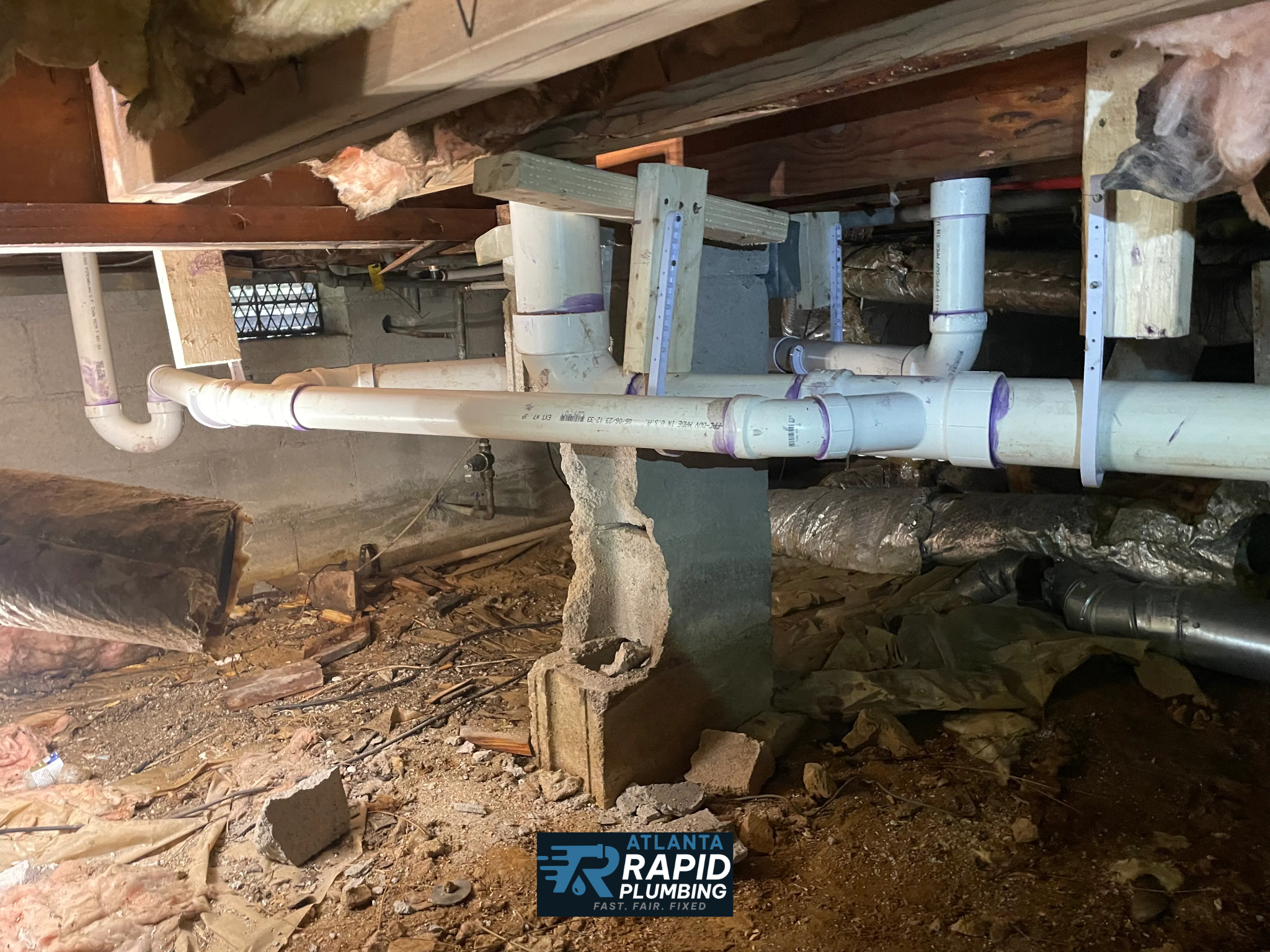
A professional inspection begins with a methodical check of all visible piping for signs of corrosion, mineral deposits, loose fittings, or wet insulation. Inspectors will probe suspect areas, use moisture meters to map damp zones, and examine joints near water heaters, drain traps, and fixtures for evidence of slow leaks. Accurate documentation, including photos and moisture readings, helps homeowners prioritize repairs and remediation steps.
Structural and Pest-Related Concerns
While focused on plumbing, inspectors also review structural supports, crawl space piers, and signs of termite or wood-boring insect activity that can compromise plumbing alignment. Wood rot or pest damage can allow pipes to shift or fail, creating new leaks. If structural repairs are needed, coordinating plumbing fixes with foundation or pest remediation is more cost-effective and prevents repeated callbacks.
Diagnostic Tools and Advanced Techniques
Technicians may employ infrared cameras to find temperature anomalies caused by moisture, borescopes to inspect hidden pipe cavities, and pressure testing to identify slow leaks in closed systems. In some cases, tracer dyes or acoustic leak detection reveals the precise source without destructive access. These tools make it possible to identify and address issues with minimal disruption to the home.
Step-by-Step Repair and Prevention Plan
Immediate Actions When You Discover a Leak
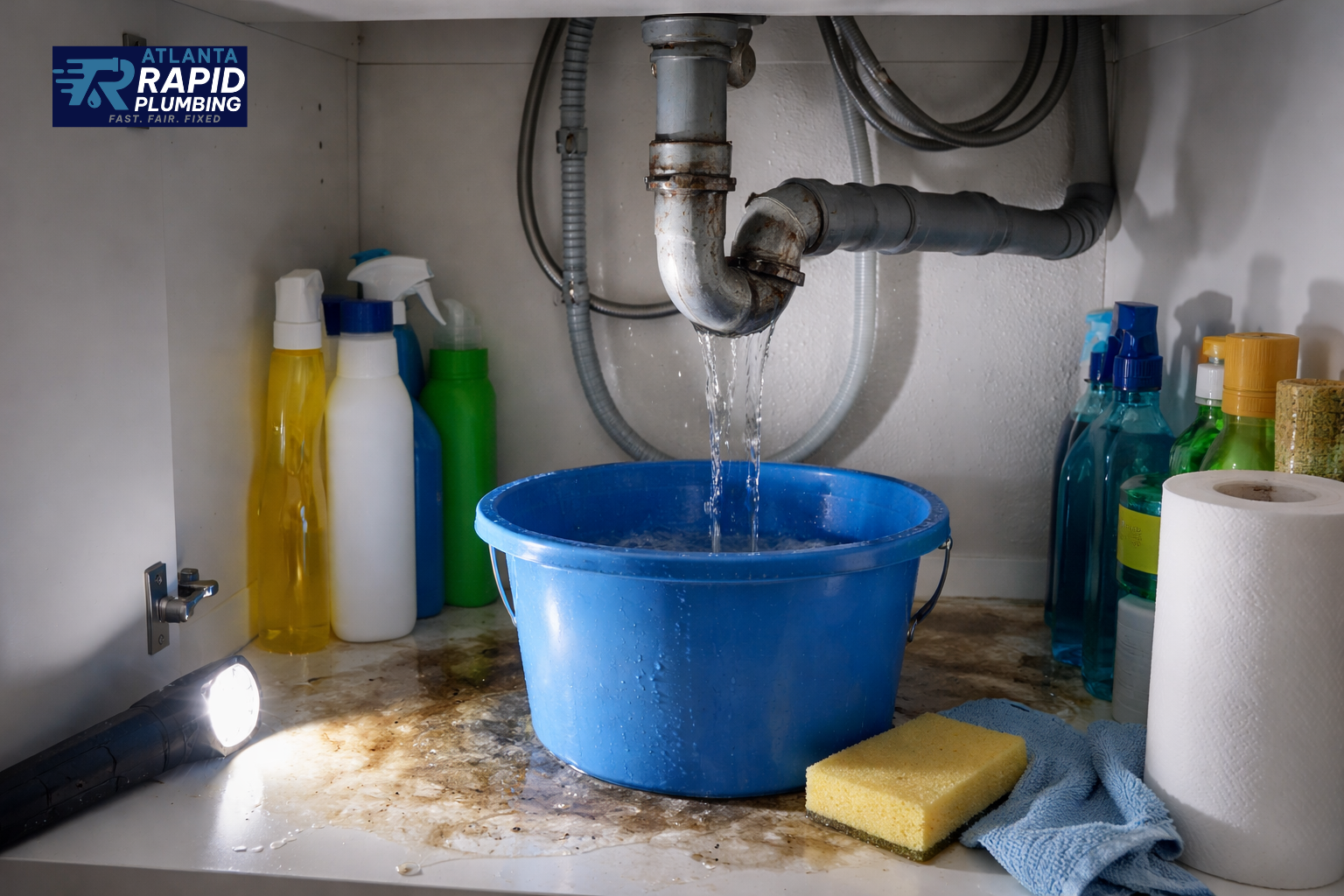
If you discover an active leak or standing water in the crawl space, the first step is to stop the source if possible and limit water spread. Turn off water to the affected area or the main shutoff if necessary, dry the space with temporary pumps or wet vacuums, and remove wet insulation to prevent mold growth. Document the damage and call a qualified plumber to conduct a comprehensive repair and assessment.
Coordinated Repairs: Plumbing, Drainage, and Encapsulation
Addressing plumbing issues in the crawl space often requires a coordinated approach that includes pipe repair, improving drainage, and implementing moisture control measures. Repair options range from pipe section replacements and re-sleeving to rerouting lines above the crawl space when feasible. After plumbing repairs, consider encapsulation and permanent dehumidification to reduce the chance of recurrence.
Routine Maintenance to Prevent Recurrence
Establish a maintenance schedule that includes crawl space inspections every 6–12 months, particularly after heavy rains, plumbing work, or seasonal changes. Regular checks should confirm that vapor barriers remain intact, dehumidifiers are functioning and draining properly, and there are no new signs of leaks or pests. This proactive maintenance significantly reduces long-term repair costs and enhances system reliability.
Case Studies and Local Examples
Mableton Homeowner: From Recurrent Leaks to Stable Crawl Space
A local Mableton homeowner experienced repeated drain line failures that caused wet insulation and musty odors throughout the house. After an initial plumbing repair, recurring moisture persisted because exterior grading directed water toward the foundation. The solution combined targeted pipe replacement, re-grading of the yard, and full crawl space encapsulation. The homeowner reported improved air quality and no further plumbing failures after the combined intervention.
Encapsulation Success Stories from the Atlanta Area
Contractors in the Atlanta metro area have documented numerous cases where encapsulation reduced humidity and stopped mold growth after plumbing repairs. One common outcome is a measurable reduction in relative humidity within the home, which translates into fewer calls for plumbing corrosion and decreased HVAC runtime. These examples show that combining plumbing repairs with moisture management yields durable benefits.
Lessons Learned: Coordinating Multiple Trades
Successful outcomes often require coordinating plumbers, foundation specialists, and mold remediation experts to ensure all contributing causes are addressed. For example, a plumbing fix alone may not prevent future leaks if surface water continues to pool near the foundation. A multi-disciplinary repair plan prevents repeated failures and saves money in the long term by addressing root causes rather than symptoms.
Health Risks and When to Call a Professional
Mold Exposure and Respiratory Concerns
Persistent mold growth in crawl spaces can degrade indoor air quality and exacerbate asthma, allergies, and other respiratory conditions. Children, older adults, and people with compromised immune systems are particularly sensitive to mold exposure. For authoritative health guidance on mold-related risks and precautions, refer to the EPA’s resources on mold and moisture control: EPA - Mold Resources.
When a DIY Fix Is Not Enough
Minor issues like a loose hose clamp or a simple condensation problem may be safely handled by an experienced homeowner, but many situations require professional assessment. Large leaks, evidence of structural rot, pest infestations, or mold covering significant areas are signs to call licensed professionals. A certified plumber and remediation specialist can provide safe, code-compliant repairs and documentation for insurance or resale.
Insurance, Documentation, and Long-Term Liability
Documenting inspections, repairs, and remediation helps with insurance claims and protects homeowners from future liability associated with undisclosed damage. Some insurance policies have specific requirements for mold or water damage claims, and timely professional remediation can be critical to claim approval. Keep records of inspection reports, repair invoices, and before-and-after photos for your files.
Preventive Upgrades and Smart Plumbing Options
Rerouting and Elevating Critical Plumbing Lines
Where practical, rerouting critical water supply and drain lines above the crawl space or securing them to stable supports reduces exposure to standing water and soil moisture. Elevating fixtures and installing protective sleeves on vulnerable pipe runs are preventive steps that cut the risk of future failures. These upgrades often extend the service life of plumbing systems and simplify future inspections.
Smart Sensors and Remote Monitoring
Advances in smart home technology allow homeowners to install moisture sensors, leak detectors, and remote shutoff valves that alert users when abnormal conditions occur. Integrated systems can notify your phone when a sensor detects water or humidity above set thresholds, allowing rapid intervention and minimizing damage. Investing in monitoring technology is a relatively low-cost insurance against hidden crawl space problems.
Material Choices: Corrosion-Resistant Options
Choosing corrosion-resistant materials such as PEX for water lines and properly sloped PVC for drains reduces vulnerability to moisture-related degradation. When replacing aged metal pipes, upgrading to modern materials and properly supporting pipe runs decreases the chance of future leaks and simplifies future maintenance. Discuss material choices with your plumber to match durability, code requirements, and budget.
Frequently Asked Questions (FAQ)
How often should I inspect my crawl space?
Experts recommend inspecting your crawl space every 6 to 12 months and immediately after severe storms, plumbing work, or noticeable changes in indoor humidity. Frequent inspections help catch slow leaks, insulation problems, and early mold growth, preventing escalation. Keeping a log of inspection dates and findings makes trend detection easier and informs scheduling of professional maintenance.
Can encapsulation alone fix plumbing leak problems?
Encapsulation helps control moisture and reduces many risks that contribute to plumbing problems, but it does not repair active leaks or replace failing pipes. A comprehensive approach includes repairing plumbing failures, correcting external drainage issues, and implementing encapsulation and dehumidification where appropriate. Encapsulation is an important preventative measure but not a substitute for necessary plumbing repairs.
What are the signs that a pipe needs replacement rather than repair?
Signs that a pipe should be replaced include extensive corrosion, multiple pinhole leaks, widespread mineral buildup, or brittle pipe materials that crack during minor handling. If pipe condition suggests systemic degradation rather than a single localized failure, replacement is usually the most cost-effective long-term solution. A professional plumber can assess pipe condition and recommend targeted replacement options.
How much does a typical repair or encapsulation cost?
Costs vary widely depending on the scope of plumbing repairs, the need for structural fixes, and the size of the crawl space requiring encapsulation. Simple pipe repairs can be relatively inexpensive, while full encapsulation projects with dehumidification and drainage can represent a larger investment. Getting a site-specific estimate from a qualified team provides clarity and helps you budget appropriately for a durable solution.
Taking Action: A Practical Checklist for Homeowners
Immediate Steps When You Suspect a Problem
Begin by checking visible access points for standing water, wet insulation, and obvious leaks. If you find an active leak, shut off the water to the affected area or your home’s main valve, photograph the condition for documentation, and contact a licensed plumber to evaluate and repair the issue. While waiting for help, remove wet insulation and ventilate the space when safe to reduce mold growth.
Schedule Professional Inspection and Remediation
For persistent or unclear problems, schedule a comprehensive crawl space inspection that includes plumbing diagnostics, moisture mapping, and structural evaluation. A coordinated remediation plan should address plumbing repairs, encapsulation options, and exterior grading or drainage issues to prevent recurrence. Our team at Atlanta Rapid Plumbers can assess the plumbing concerns and coordinate with specialists as needed to deliver a complete solution; learn more about our pipe repair and replacement offerings.
Long-Term Maintenance Plan
Adopt a long-term plan that includes biannual inspections, periodic dehumidifier maintenance, and monitoring of drain performance. Include seasonal checks before summer and after heavy winter rains, and review sensor logs if you install smart monitoring devices. Consistent maintenance preserves the value of your repairs and reduces the likelihood of expensive emergency interventions.
Conclusion and Next Steps
Plumbing problems in the crawl space are common in humid, rain-prone regions and can escalate quickly if not detected and addressed. By understanding the warning signs — musty odors, visible mold, sagging floors, and wet insulation — homeowners can act early to limit damage. Combining targeted plumbing repairs with moisture control measures like encapsulation and dehumidification provides the most durable protection for both plumbing and structural systems.
If you suspect a problem or want a professional inspection, Atlanta Rapid Plumbers offers experienced, local service backed by more than two decades of hands-on expertise. We provide thorough diagnostics, professional repairs, and coordinated solutions that include encapsulation recommendations and monitoring. For non-emergency routine work, consider scheduling our drain cleaning services or consult our resources on related topics such as water heater checks and winter plumbing protection.
For immediate concerns that require fast intervention, contact us for quick response through our emergency plumbing services. You can reach Atlanta Rapid Plumbers at (770)-404-6895 or by email at Totalservicesre@gmail.com. Our office is located at 237 Barbara Ln, Mableton, Georgia, and we serve the greater Atlanta area with reliable, professional plumbing care.
Further reading and reputable resources: for authoritative public health guidance on mold and remediation see the CDC's mold guidance, and for technical advice on moisture control consult the EPA's mold and moisture resources. For an overview of crawl space science and regional climate implications, trusted public resources such as NOAA provide helpful climate data and trends for planning maintenance and preventive measures.
Don't wait for a small drip to become a major repair. Schedule a crawl space inspection today to protect your home's health and value. Call Atlanta Rapid Plumbers at (770)-404-6895 or visit our website to get started with a professional assessment and a clear plan tailored to your home's needs.