Simple Water Heater Leak Checks for Homeowners
Hidden leaks in your water heater can be sneaky troublemakers. They waste water, can rack up costs, and gradually damage your plumbing. Here’s a friendly guide to help you spot early warning signs and know when it’s time to call in a professional. We’ll talk through easy checks, share some handy tips, and even point you towards local pros who can help keep everything in top shape.
If you’re in a hurry or just prefer expert help, schedule a check-up with our team. Regular checks combined with new tech monitoring are your best bet against those pesky hidden leaks.
Why Hidden Leaks Matter: Costs, Conservation, and Long-Term Damage
How Much Water Can a Leak Waste?
Even the tiniest leak can add up. A small drip or a tiny crack can waste hundreds or even thousands of gallons each year. Local water conservation data shows leaks can waste more than 10,000 gallons in a typical home annually. That’s not just bad for the environment; it’ll also hit your wallet on your water bills. Knowing how to check your water heater connections can help you catch these sneaky leaks early.
Ignoring Leaks: What Could Go Wrong?
It’s not just about the water bill. Leaks can cause insulation to break down, metal parts to rust, and mold to grow. If ignored, they can lead to costly repairs, like fixing drywall or replacing the entire water heater. Simple fixes like tightening a fitting or replacing a connector are much cheaper than dealing with water damage or mold cleanup.
Being a Water Conservation Hero
Fixing leaks is also about being a good neighbor and taking care of our water resources. In areas where water is precious, stopping leaks helps a lot. Check out your local government’s advice on leak detection and community benefits. The Gwinnett County Leak Detection page has more info on conserving water and preventing leaks.
Visual and Physical Checks: What to Inspect Around Your Water Heater
Inspect Supply and Discharge Connections
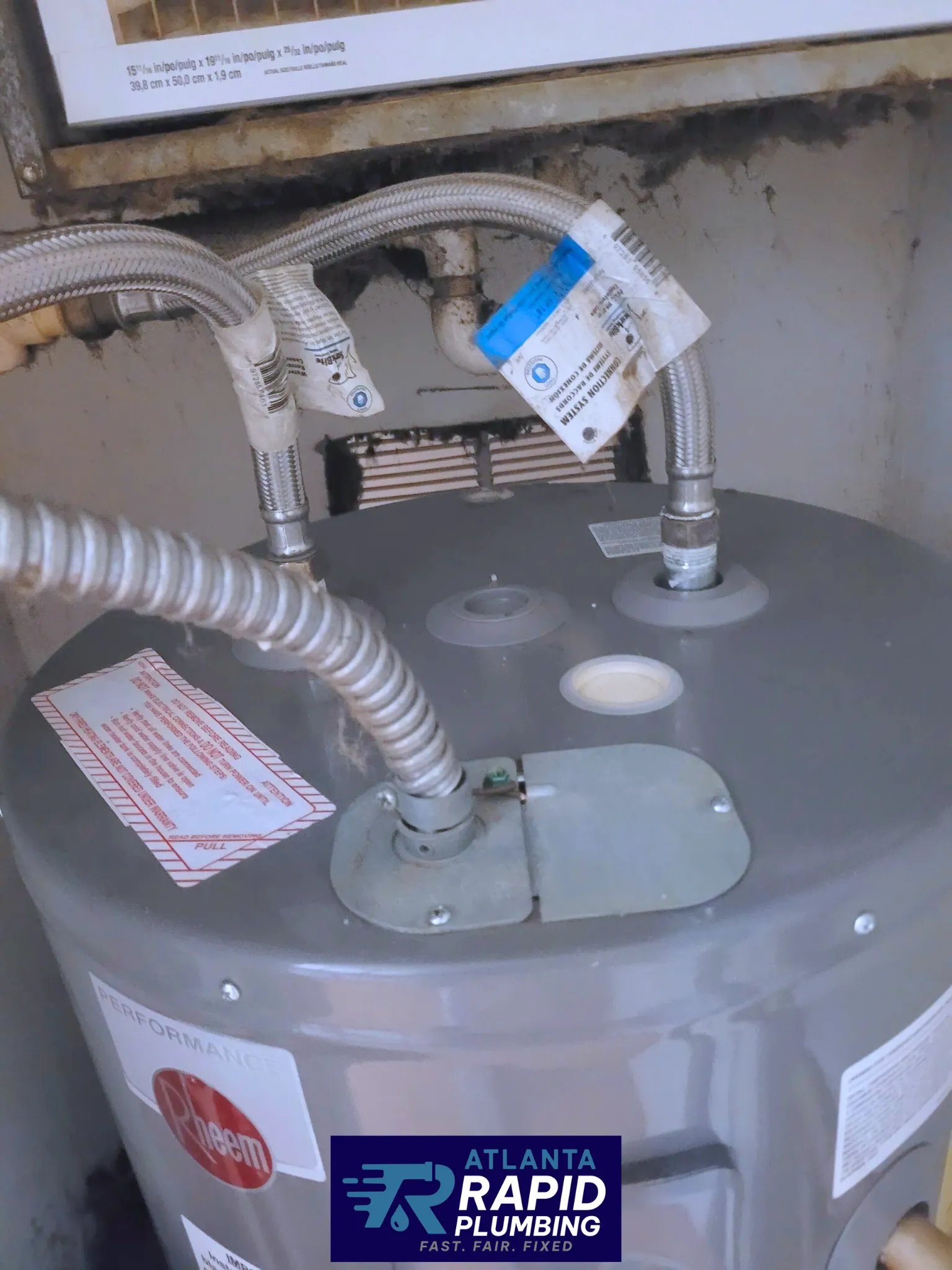
Start with the basics: the cold-water and hot-water connections. Check for moisture, white deposits, or rust on fittings and joints. These can signal a slow leak. Wipe around the connection, wait a few hours, and check again for new moisture.
Examine the Flexible Hoses and Connectors
Flexible connectors are handy but can wear out. Look for kinks, bulges, or discoloration. Braided stainless steel connectors need a close look for broken strands or corrosion. Replacing a worn connector is a small price to prevent a big mess.
Check the Temperature and Pressure Relief Valve (TPR Valve)
The TPR valve is a safety feature that releases water if the tank gets too hot or pressurized. Check the pipe connected to it for moisture or deposits. If it leaks often, there might be a problem that needs fixing. Never cap off the TPR valve; get a pro if you think it’s faulty.
Look Underneath and Around the Base
Leaks often show up under the tank. Check the floor and any pans for puddles or stains. If your heater sits on a pan, make sure the drain line is clear. Standing water means it’s time to call in help.
Signs and Symptoms: How to Detect Hidden Leaks Early
Unexplained Spikes in Water Bills
If your water bill unexpectedly jumps, a hidden leak might be the culprit. Compare your usage to last year’s to see if it’s unusual. Smart home systems can help spot these patterns quickly.
Moisture, Staining, and Mold
Discoloration on walls or floors near your heater might mean a slow leak. Mold or musty smells are also red flags. Act fast if you notice these signs to prevent health risks and further damage.
Sounds and Temperature Fluctuations
Listen for odd sounds like hissing or dripping. These might mean a leak or pressure problem. Sudden changes in water temperature can also hint at issues. Investigating these noises can prevent bigger problems.
Smart and Technological Solutions for Early Leak Detection
Smart Water Monitors and Leak Sensors
New tech like smart leak detectors can alert you to small leaks before they become big problems. These devices range from sensors near the heater to systems that monitor your whole home. They can notify you by text or app if something’s wrong, so you can act quickly.
Utility-Scale Metering and Community Programs
Some areas are using smart meters to help detect leaks with real-time data. Local programs show how smart meters can help homeowners spot problems early. These tools work well alongside personal checks and professional inspections. Learn about these programs in your area for more support.
Heat Pump Water Heaters and Installation Considerations
Heat pump water heaters are popular for their energy savings, but they need careful installation to prevent leaks. Check out the ENERGY STAR guide for tips on getting it right from the start.
Integrating Sensors with Home Automation
Pairing leak sensors with a home automation system lets you get alerts and even shut off water automatically if a leak is detected. This setup is especially useful for frequent travelers or those with second homes.
Proper Installation and Best Practices to Prevent Leaks
Use the Right Materials and Fittings
Choosing the right materials for connections is key. Use corrosion-resistant fittings and approved sealants. Avoid mixing metals that can cause corrosion. A good installer will match components to your system to help them last longer.
Correct Tightening and Assembly Techniques
Don’t over-tighten connections, as this can cause damage. Use the recommended torque and thread sealants. Proper assembly helps avoid leaks and ensures reliability.
Support and Vibration Control
Water heaters can vibrate, especially if they have pumps. Use supports and isolation to reduce stress on joints. Regularly check supports to keep your system stable.
Heat Traps, Check Valves, and Condensate Management
Heat traps and check valves help reduce heat loss and prevent pressure issues. Make sure condensate lines are clear to prevent overflow. These small steps can make a big difference in preventing leaks.
Maintenance Schedule and DIY Inspection Checklist
Annual Professional Inspection
Have a plumber check your water heater yearly. They’ll test pressures, inspect valves, and look for wear. Early detection by a pro can save you from bigger headaches.
Monthly DIY Checklist for Homeowners
Doing a quick monthly check can catch leaks early. Feel for moisture, listen for sounds, and look for stains. Keep a log to track changes and help techs diagnose issues faster.
Seasonal Maintenance and Preventive Actions
Seasonal changes can affect your system. Before extreme weather, check insulation and look for condensation. Drain and flush the tank to keep it running smoothly.
When to Replace Components vs. Replace the Tank
Know when to swap out parts or the whole heater. Replace parts like hoses or valves when worn. If the tank is rusty or old, it might be time for a new one. A professional can help you decide.
Troubleshooting: Step-by-Step Guides for Common Connection Issues
Addressing a Dripping Connection
If you spot a drip, dry the area and see which fitting gets wet. Turn off the water and try tightening it gently. If that doesn’t work, replace the part or call a pro.
Dealing with a Leaking TPR Valve
If your TPR valve leaks often, test it and replace it if needed. Never cap it off—it’s a safety feature. Get a plumber to check the system’s pressure and find the cause.
Fixing Corroded or Damaged Connectors
Corrosion shows as green or white deposits on brass or copper. Replace corroded parts and find the cause, like poor water quality. Regular maintenance helps prevent corrosion.
Handling Sudden, Significant Leaks
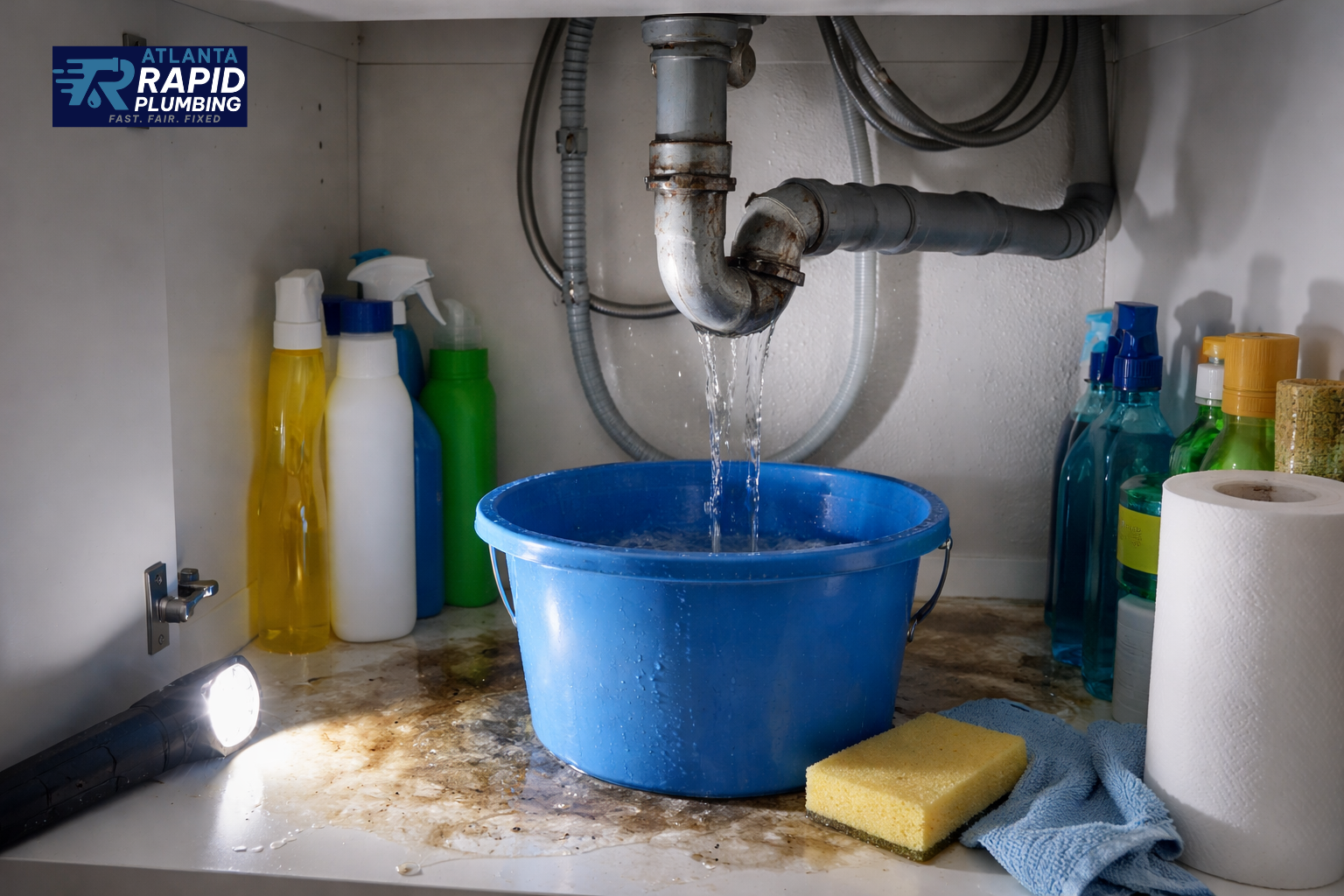
If a major leak happens, turn off the main water supply and power to the heater if safe. Use towels and buckets to contain water. Call emergency plumbing support for fast help. Our emergency plumbing services are ready to assist.
Case Studies, Real-World Examples, and Local Relevance
Community Metering and Early Detection: A Local Example
Community metering helps catch leaks early. Nearby utility programs show how smart meters help homeowners spot issues. These tools work well with personal and professional checks to save water.
Practical Inspection Example: From Discovery to Repair
Imagine a homeowner noticing a slight bill increase and a musty smell. A visual check finds a small deposit at a connection. A sensor confirms the leak, and a pro fixes it, avoiding major damage.
How Local Plumbers Add Value
Local plumbers know the regional water conditions and can recommend the best materials. If you need help, explore our services like pipe repair and replacement or drain cleaning services to complement your water heater care.
Frequently Asked Questions and Final Recommendations
How often should I inspect my water heater connections?
Check visually every month and have a professional inspection annually. Monthly checks spot early issues, while annual checks cover everything more thoroughly.
Can I replace connectors myself, or should I call a plumber?
If you’re handy, you can replace simple connectors. Turn off the water and depressurize the system first. For complex jobs, like gas lines or TPR valves, call a pro.
What are the signs that my water heater needs full replacement?
If the tank is rusty, leaking, or older than 8-12 years, it might be time for a new one. New models can save energy and reduce leak risks.
Where can I get more help or professional service?
For inspections or repairs, reach out to Atlanta Rapid Plumbers. We handle everything from routine checks to emergency repairs. Call us at (770)-404-6895 or email Totalservicesre@gmail.com for more info. Our emergency plumbing services are ready to help when you need it most.
Conclusion and Call to Action
Hidden leaks in water heaters are common but preventable. Regular checks, annual inspections, and modern technology can help find and fix problems early. If you want a professional evaluation, Atlanta Rapid Plumbers offers reliable inspections, repairs, and installations. Schedule a service with our water heater installation and repair team or call for urgent needs with our emergency plumbing services. For broader concerns, consider our pipe repair and replacement services to keep your system secure. Protect your home and save water—call (770)-404-6895 today.
For more info, check the ENERGY STAR guide on heat pump water heaters and local tips on water conservation. Regular checks and the right support can keep your water heater leak-free and save you money. Reach out to Atlanta Rapid Plumbers for help tailored to your home and local needs.