Your Handy Guide to Spotting and Preventing Underground Pipe Damage
Underground pipe damage can be a real headache for homeowners and property managers. This guide breaks down the common causes, how to catch problems early, and what you can do to prevent and fix them. You'll get the scoop on how tree roots, shifting soil, old pipes, water pressure, chemicals, and temperature changes can cause trouble. Plus, we'll give you some inspection tips and advice for Mableton homeowners. If you think you might have a problem, it's a good idea to call in the pros for a camera inspection or drain cleaning services to quickly find the issue and keep damage to a minimum.
Why Do Underground Pipes Fail?
The Trouble with Hidden Plumbing Problems
Out of sight, out of mind, right? That’s the deal with underground plumbing. Issues like leaks and blockages can become serious before you even know they’re there. A small leak under a slab or in your yard can go unnoticed for months, leading to soil erosion, foundation damage, mold growth, and higher utility bills. Early detection and regular maintenance can save you a lot of hassle and money in the long run.
The Cost of Putting Off Repairs
Waiting until things get really bad with your underground pipes can be expensive. You might face costs for digging, replacing pipes, landscaping, and fixing concrete or foundations. But if you catch problems early, you can opt for less disruptive and less expensive trenchless repairs instead of full excavation. A licensed plumber can help with that.
How This Guide Helps You
This guide gives you practical steps to spot warning signs, understand common causes, and weigh your repair options. It includes inspection routines, recommended materials, and advice on when to call a pro. Use the checklists and troubleshooting tips to protect your property and reduce emergency calls.
Tree Root Intrusion
Why Roots Love Pipes
Tree roots naturally go after moisture and nutrients. Sewer and water lines are like magnets for them, especially if there are small leaks or condensation. Roots can sneak into pipes through joints, cracks, or porous materials, expanding inside and causing blockages, backups, and collapses if not stopped. Mature trees near sewer lines are often the culprits.
Signs of Root Trouble
Watch for slow drains, recurring clogs, gurgling sounds in fixtures, and soggy spots or sinkholes in your yard. Sometimes roots cause partial blockages that lead to backups only under heavy flow, making it tricky to diagnose. A camera inspection is the best way to confirm root intrusion without unnecessary digging.
How to Handle Root Intrusion
To manage root intrusion, focus on both your landscaping and the pipes themselves. Keep trees and shrubs away from sewer lines, and choose plants with non-invasive root systems. If roots do become a problem, options include hydrojetting, mechanical root cutting, cautious use of chemical treatments, and trenchless pipe lining to seal the pipe interior. Severe damage might mean a pipe replacement. A professional can suggest the best solution.
Ground Movement and Soil Shifting
The Impact of Clay Soils and Weather
Clay-heavy soils expand and contract, putting stress on buried pipes. In Mableton, Georgia, these soils swell during wet seasons and shrink in drought, bending or stressing plumbing lines. This pressure can cause cracks and misalignment, eventually leading to breakage if pipes aren’t flexible or properly bedded.
How Weather Affects Pipes
Heavy rain, flooding, erosion, and minor tremors can shift soil and undermine pipe support. Saturated ground lowers bearing capacity, letting pipes sag or separate at joints. Older lines without proper bedding or encasement are especially at risk in storm-prone areas.
Designing for Soil Movement
Good trench design, proper bedding materials like sand or pea gravel, and flexible joints help pipes withstand soil movement. During installation or replacement, using resilient materials and proper backfill reduces the risk of damage. Local contractors familiar with Mableton soils can tailor installations to specific conditions.
Older Pipes, Corrosion, and Material Problems
Common Aging Pipe Materials
Older homes often have cast iron, clay, or early-generation plastic pipes that degrade over time. Cast iron corrodes, leading to leaks; clay pipes crack; old plastic gets brittle. Knowing your property’s material history helps you prioritize inspections and replacements.
What Makes Pipes Corrode
Corrosion speeds up with certain soil chemistry, stray electrical currents, and aggressive chemicals. Galvanic corrosion can happen where different metals meet without proper unions. Regular inspections and using corrosion-resistant materials can extend a pipe’s life.
When to Repair or Replace
Deciding whether to repair or replace depends on the pipe’s age, condition, and cost-effectiveness. Frequent leaks or widespread corrosion might mean full replacement with modern materials is best. Trenchless lining can extend life for many systems, while isolated repairs might work for localized faults.
High Water Pressure and Temperature Changes
The Impact of High Water Pressure
High water pressure stresses pipes, fittings, and joints, leading to leaks or burst pipes over time. If you hear banging pipes or see high flow rates, check your pressure and consider a regulator to protect your system.
How Temperature Affects Pipes
Temperature changes cause pipes to expand and contract. Repeated cycling can fatigue pipe materials and connections, causing cracks or loose joints. Insulating exposed lines and allowing for thermal expansion reduces the risk.
Regulating Pressure and Temperature
Installing a pressure regulator keeps operating pressure safe, reducing stress on plumbing. For areas with temperature swings, add insulation and protection. Regularly test pressure with a gauge and call a pro if readings are too high.
Chemical and Environmental Damage
How Chemicals Cause Corrosion
Chemicals from industrial runoff, groundwater, or cleaning solutions can corrode pipes or attack coatings. Grease and harsh drain cleaners can also lead to premature wear. Environmental contaminants in soil can harm metal pipes.
The Role of Household Habits
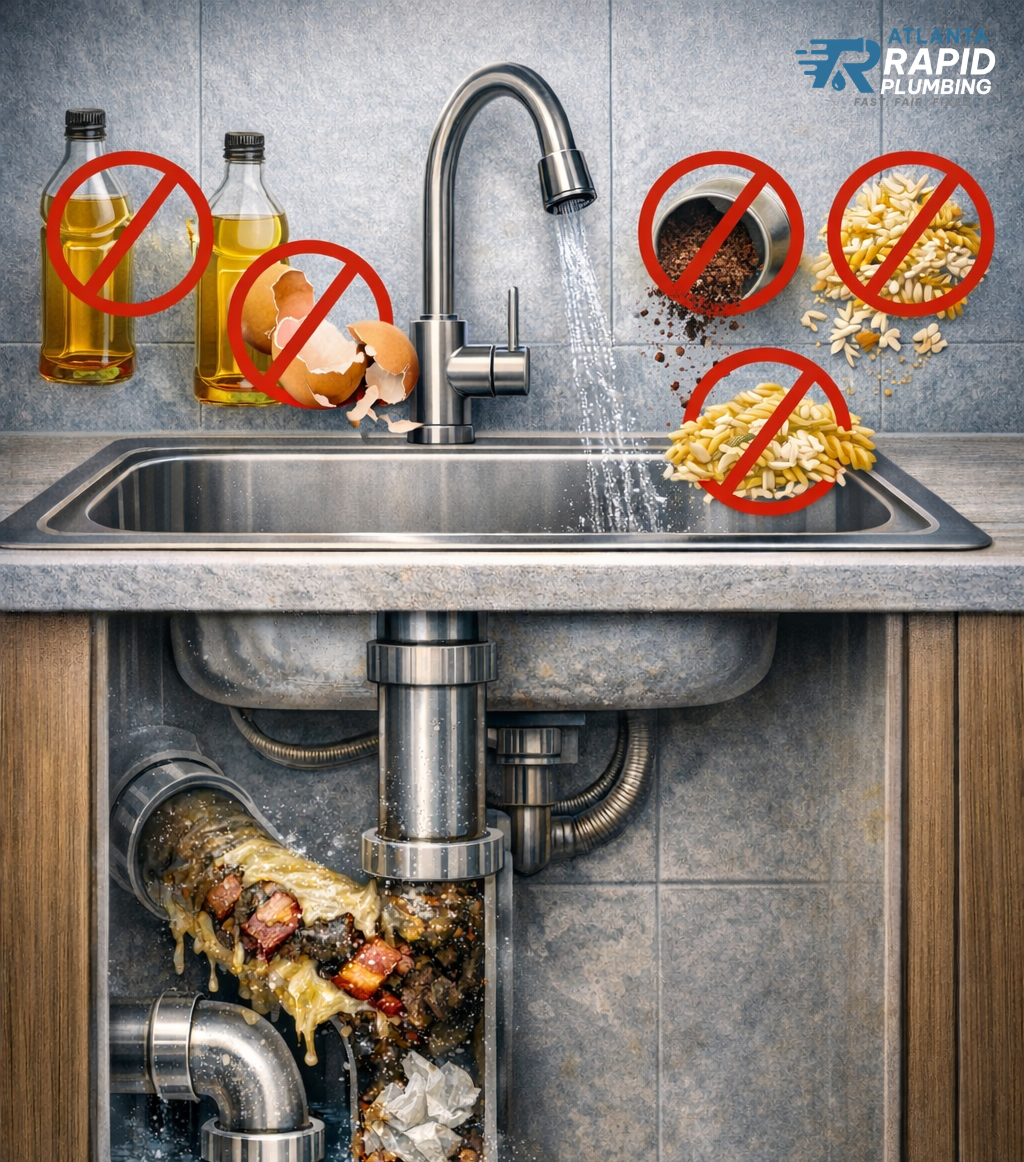
Wrongly disposing of chemicals, grease, and non-biodegradables down drains speeds up pipe wear and raises blockage risk. Teaching household members what not to flush or pour down the sink helps a lot. Regular professional cleaning clears buildup before it causes failure.
Practicing Chemical Safety
Use enzyme-based products instead of caustic chemicals, and avoid pouring solvents or acids down drains. Near industrial sites, periodic soil and water testing can spot contamination risks. If you suspect contamination, consult environmental pros and plumbers for safe damage control.
Spotting Underground Pipe Damage Early
Warning Signs to Look For
Early signs include reduced water pressure, high water bills, persistent clogs, gurgling toilets, damp patches, and wet or lush yard areas. Strange sounds like banging can point to air pockets or blockages. Addressing these clues early prevents bigger issues.
Using Technology for Inspections
Modern tools make inspecting underground pipes easier. Video camera sewer inspections reveal issues without digging. Electronic leak detectors and acoustic devices find leaks beneath slabs or yards. Smart flow meters alert you to usage patterns suggesting leaks.
Setting an Inspection Schedule
Annual checks and professional inspections every few years help catch issues early. Licensed plumbers provide thorough assessments, including camera inspections and pressure tests, and advise on repairs or replacements. Regular maintenance cuts down on emergencies.
Repair Options and Best Practices
Trenchless Repair Technologies
Trenchless repairs like cured-in-place pipe lining and pipe bursting fix pipes with minimal digging. Lining creates a new pipe inside the old one, sealing cracks, while bursting replaces the pipe by breaking the old line and pulling a new one through. These methods are often quicker and cleaner than excavation.
Traditional Excavation and Replacement
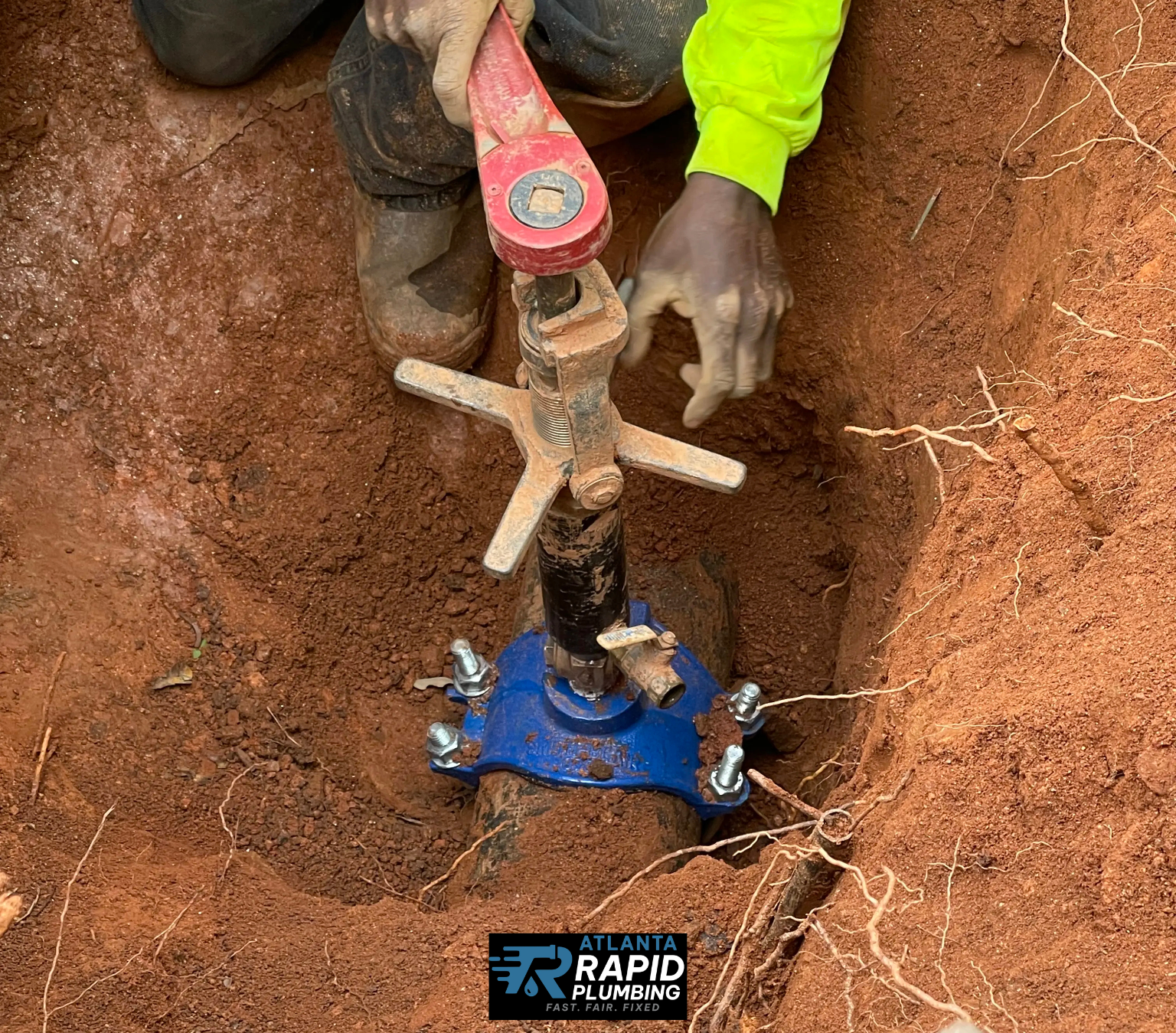
For widespread collapse or severe corrosion, excavation and replacement are sometimes necessary. Proper trench support and materials ensure long-term success. Working with experienced contractors ensures installations meet industry standards.
Maintenance Treatments and Quick Fixes
Hydrojetting, root cutting, spot repairs, and coatings can temporarily restore flow and extend service life. These methods are useful for immediate response, but treating the symptom without fixing the cause often leads to repeated issues.
Real-World Examples
Tree Roots and Sewer Damage
In a neighborhood with mature trees, several homes had recurring backups from root intrusion in clay sewer pipes. Hydrojetting cleared the lines temporarily, but cameras showed extensive roots and cracks. Long-term repairs included trenchless lining and tree removal, reducing service calls.
Mableton's Soil Challenges
In Mableton, clay-rich soil that swells and contracts causes seasonal issues. One homeowner faced line misalignment after a wet season. A camera inspection confirmed joint offsets from soil movement. Flexible couplings, better bedding, and partial replacement stabilized the line.
Lessons from Larger Systems
Studies show frequent sewer overflows in the U.S., highlighting the need for regular inspections and resilient infrastructure. Investing in resilient systems at home makes a big difference (research on water distribution systems).
Prevention Checklist and Action Plan
Immediate Actions
Start with a visual survey: look for wet spots, odors, slow drains, and lush lawn areas. Install a pressure regulator if pressure seems high and avoid flushing harmful substances. Keep trees away from sewer lines and map underground utilities before planting.
Scheduled Maintenance
Plan routine maintenance with a plumber: annual inspections, professional drain cleaning every 1–3 years, and a camera inspection before landscaping or buying a property. For plumbing emergencies, rely on trusted professionals. We offer fast response options, including emergency plumbing services.
Upgrades for Long-Term Resilience
Consider upgrading old lines with modern materials during renovations. Use flexible joints, better bedding materials, and trenchless tech to avoid future disruptions. In areas with tough soils, consult local experts to tailor installations to conditions.
Frequently Asked Questions
How Can I Tell if the Problem Is Underground or Inside?
If you notice yard pooling, sewer smells outside, or multiple affected fixtures, it’s likely an underground issue. Single-fixture problems usually mean an internal blockage. A camera inspection can pinpoint the issue.
What to Do if You Suspect Pipe Damage
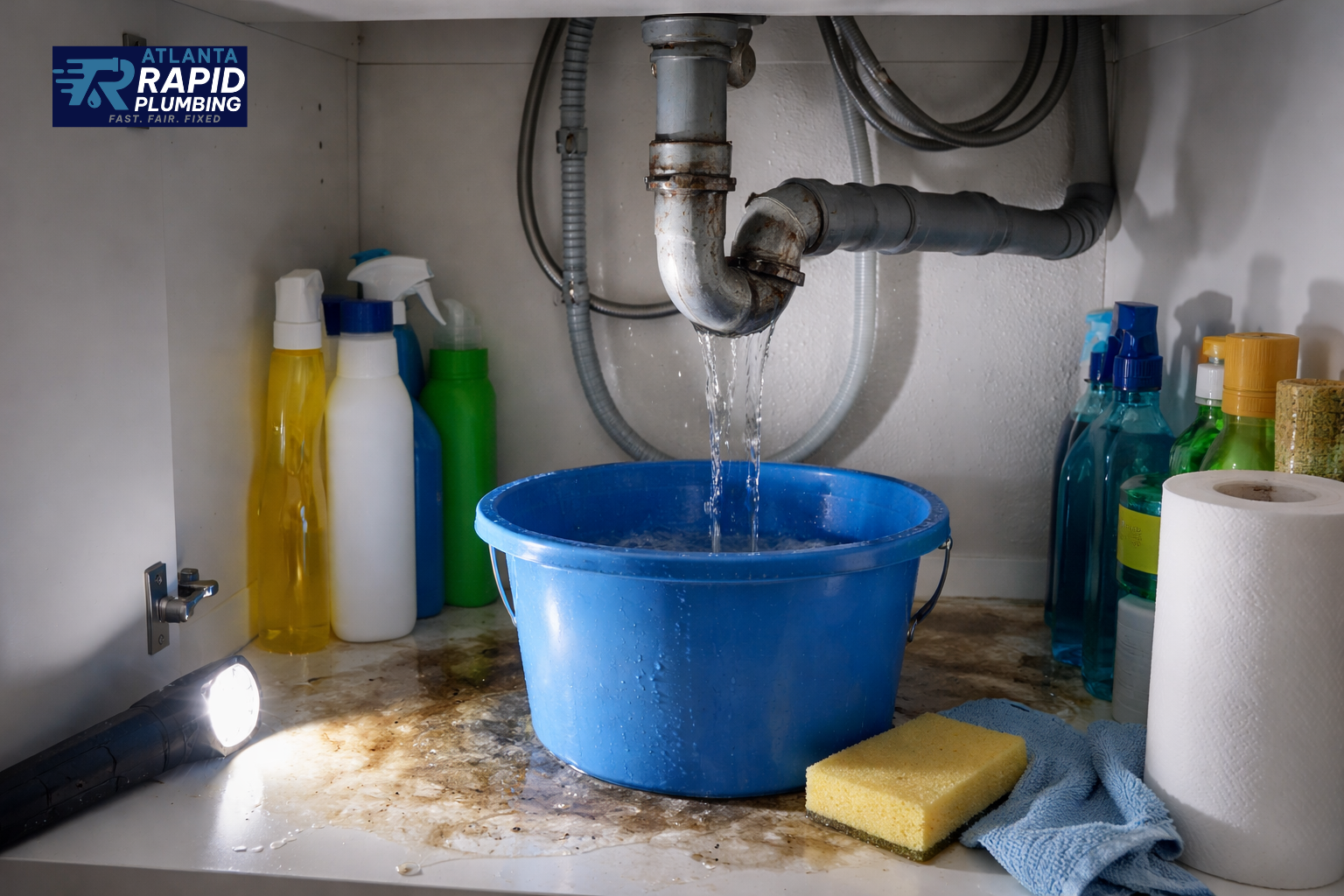
Stop using affected fixtures, check the main shutoff if there’s severe flooding, and call a plumber for an emergency assessment. Our pipe repair and replacement team can provide diagnostics and repair options.
Are Trenchless Repairs Always Best?
Trenchless methods work well for many situations, especially when pipes are accessible and damage is internal. But total collapse or complex routing changes might need excavation. A plumber can evaluate conditions and recommend the best solution.
Expert Tips
Regular Inspections
Experts recommend regular camera inspections for aging systems and properties with known risks. This helps catch issues early. Set up an inspection schedule with a plumber for a condition report and recommendations.
Choosing Durable Materials
Durable materials, correct slope, and flexible joints help pipes resist stress. Choose materials and practices that meet local standards. Professional installation reduces common mistakes that shorten pipe life.
Monitor System Performance
Keep an eye on water bills, watch for pressure changes, and fix slow drains quickly. Quick action prevents small issues from becoming major problems. A directed inspection and targeted repair save money over time.
Resources for Further Reading
Resources on Sewer Overflows and Infrastructure
For national context, check out resources from the U.S. Environmental Protection Agency (EPA on sanitary sewer overflows) and recent research on water systems (water distribution system research).
Soil and Geotechnical Info
Understanding local soils helps plan durable installations. Geological surveys and university services explain soil behavior and strategies. Research publications and bulletins offer practical guidance tailored to regional soils.
Tree Root Biology and Prevention
Learning about tree roots helps you choose landscape plans that protect utilities. Botanical references and horticultural extensions explain root patterns and recommended planting distances (root biology overview).
Wrapping Up
Underground pipe damage is a puzzle with many pieces: tree roots, soil movement, aging materials, pressure, chemicals, and temperature all play a part. The good news is that many causes of damage are preventable or manageable with the right materials, inspections, and professional help. For folks in Mableton and Atlanta, knowing the local soil behavior and choosing experienced contractors can make a big difference in your system's longevity.
If you're seeing warning signs like slow drains, wet spots in the yard, or high water bills, don't wait. Schedule a professional inspection to pinpoint the issue and explore repair options. Atlanta Rapid Plumbers offers thorough diagnostics, camera inspections, and both trenchless and traditional repairs. For emergency help or to set up a routine inspection, call us at (770)-404-6895 or email Totalservicesre@gmail.com. Learn more about services such as pipe repair and replacement and water heater installation and repair. Check out our blog for more homeowner tips, including plumbing issues in crawl spaces.
Protect your home now with expert help—call Atlanta Rapid Plumbers for a clear, stress-free assessment and long-term solutions tailored to Mableton conditions.